


It seems almost counterintuitive for a theme park company to grow by getting smaller. But that’s pretty much what Six Flags has been doing since July 2024, when its $8 billion merger with Cedar Fair was finalized. The strategy is worth keeping an eye on because it is quiet, methodical, and still being put into action.
The numbers in the headlines are shocking enough. The parks that Six Flags will sell to EPR Properties are Michigan’s Adventure, Worlds of Fun in Kansas City, Valleyfair near Minneapolis, and Six Flags St. Louis. The price is about $331 million. The money will be used to pay down debt. After that, there will only be 34 parks in North America. These are fewer places, but they are thought to be the ones with the best growth potential and most investment potential.
That number might not tell the whole story of what’s going on here. After the merger, Six Flags, which now trades as NYSE: FUN, seems to be betting that the quality of its portfolio is more important than its size. When you think about the company’s recent past, that’s a good gut feeling. Six Flags had gone through three CEOs in seven years and seven park presidents in less than two years before the Cedar Fair deal. Publicly, investment analysts said it had been “inconsistently managed for a long time.” Six Flags had been missing something for a while: operational stability. The Cedar Fair side of the deal gave them that.
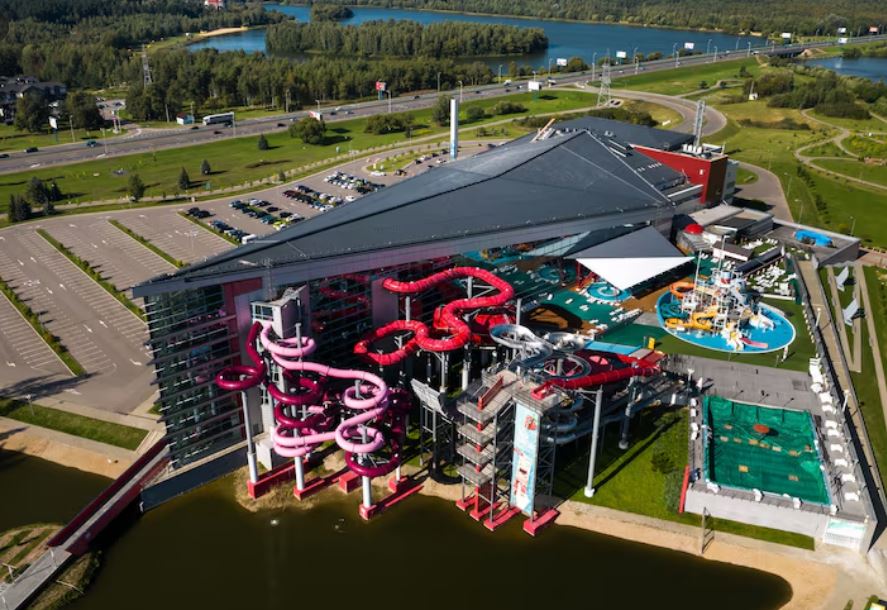
So, the park sales are more than just a way to make money. That’s because they know that not every park in a portfolio of 42 parks needs the same amount of money. Some parks have land that is worth more than the rides they have on it. Some people have already reached the top of their markets. A pretty clean way to leave without leaving behind people who already bought season passes is to sell them to experienced regional operators like Enchanted Parks and keep the Six Flags brand on the signs until 2026.
What Six Flags is doing with the parks it’s keeping might be less clear but more interesting. Ten of its most profitable locations are said to be getting major makeovers. A change in leadership at the corporate level suggests that someone is serious about getting things done: new park presidents have been hired at several of these top properties. You get the sense that the company is trying to run its remaining parks the way Cedar Fair always ran its own: methodically, with care for the guest experience at every level, from the food to the drink cups’ lids.
It’s harder to judge the celebrity partnership angle. When Travis Kelce became a national brand ambassador and Kevin Durant’s investor group bought the Maryland park, they brought a new cultural energy to a brand that was previously regional and middle-market. At this point, it’s still not clear whether that means more families coming through the gates or if it’s mostly a branding move aimed at younger people who respond to those names. It takes time for these kinds of marketing bets to pay off in terms of attendance.
There’s no doubt that all of this is done because of pressure from competitors. Over the next ten years, Disney will spend about $60 billion on its parks. Universal is putting $17 billion into just its Florida properties. This means that Six Flags isn’t competing for the same vacation dollar. Instead, it’s trying to stay the best choice for families who want to visit an amusement park within two hours. That’s still a big market that can be defended, but only if the parks are interesting.
The regional theme park has been going away for decades, either because it has merged with other parks or because it has closed. Six Flags is cutting back on its own portfolio instead of waiting to be cut back on by others. This is a sign of some kind of strategic clarity. It will be clear in the next few seasons if the parks it’s betting on can actually deliver on that promise.
