


If you go down Queenstown’s main street on a busy Saturday in January, which is summer in New Zealand, you’ll notice the same thing as everybody who has been there before: it’s packed in a way that feels very different from ten years ago. At six o’clock in the evening, the restaurants are completely booked. It is shoulder-to-shoulder along the shoreline. The Skyline gondola line stretches past the boarding area. The town is a true adventure tourism success story, attracting tourists from all over the world with its unique blend of commercial adrenaline infrastructure and physical landscape. That achievement is also becoming its most urgent issue.
Queenstown is attempting to find a solution to a dilemma that prosperous tourist places seldom successfully resolve: how to continue expanding the economy without making the location that initially drew visitors unrecognizable to itself. The emerging strategy is not a single policy but rather a collection of overlapping environmental, economic, and social initiatives that together characterize a transition from seasonal reliance to year-round resilience and from high-volume to high-value.
One of the more obvious aspects of this is the adoption of green technology by adventure operators. Nowadays, electric jetboats are being used on the river as a real business fleet shift rather than as a gimmick. On the lists of numerous operators, electrified 4WD tours have taken the place of their gasoline-powered counterparts. Using a combination of renewable energy sources, hybrid snowcat groomers, and more focused snowmaking that uses less water and energy than blanket systems, NZSki has recorded a 50% reduction in emissions at Coronet Peak and The Remarkables. Instead of being written off as greenwashing, these improvements should be taken seriously because they have occurred swiftly enough.
The most well-known example of the carbon-zero operation model is Ziptrek Ecotours, a canopy experience in the wooded area above town that incorporates environmental responsibility into its main offering rather than treating it as an add-on. Destination Queenstown and Lake Wānaka Tourism established the Love Queenstown philanthropic fund, which directly invests visitor expenditures in climate conservation and restoration. Kiwi Park, which recently celebrated its 40th anniversary of existence, continues the slower job of native species protection, such as tuatara and kiwi, which is important to the long-term ecological health of the area but rarely makes headline tourism news.
The most ambitious component is the plan for economic diversification. The Queenstown Lakes Economic Diversification Plan strongly promotes the travel and hospitality technology sector as a complementing pillar of the local economy, as opposed to doubling down on physical foot traffic—more visitors engaging in more activities. The concept is a year-round workforce that doesn’t shrink when the ski season finishes or when foreign immigration declines. The unglamorous version of the same issue is the district council’s commitment to spend almost $1 billion over a ten-year period on drinking water, wastewater, and traffic infrastructure: the physical systems beneath a tourist town were not designed for this volume, and they cannot be fixed indefinitely.
The “loving our locals” marketing and resident discount programs recognize something that congested locations frequently discover too late: the character that drew tourists begins to fade when the individuals who created the area can no longer afford to live there or engage in it. This has not been resolved by Queenstown. Like any small city in New Zealand, the property market is challenging. However, it is at least the proper question to make a clear effort to give residents the impression that the tourism industry is working with them rather than over them.
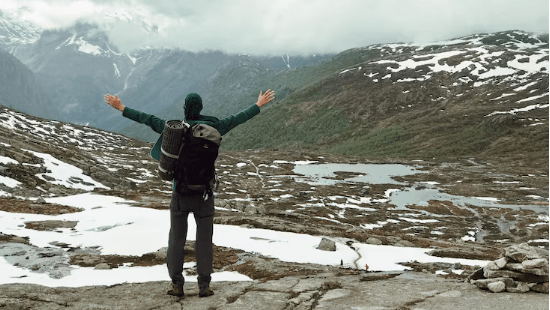
The venture into health, which includes retreat experiences, premium lakeside meals at establishments like the Nest at Kamana Lakehouse, and floating saunas, is a combination of economic diversification and a conscious effort to draw in a different type of tourist. Compared to someone who goes through three high-adrenaline activities in two days, someone who stays for a week of hikes, dinners, and recovery sessions has a different footprint and a higher yield. Both types of travel are legitimate. Queenstown is attempting to maintain both without allowing one to overpower the other.
