


The East Werribee Employment Precinct in Werribee seemed on a typical weekday morning as it still does: a sizable area of comparatively level land situated between major thoroughfares, with a few commercial buildings on one side and plenty of opportunity in the center. It doesn’t appear to be the location of a top-notch amusement park in the future. However, it has appeared to be a contender for one for long enough that the concept has gained traction in local planning discussions.
Werribee is located in Melbourne’s quickly growing southwest, around halfway between Geelong and the city’s central business district. Werribee is part of the City of Wyndham, a local government area that continuously ranks among Australia’s fastest-growing in terms of population. Young families, first-time homebuyers, and households with children are the exact demographics that a family entertainment destination needs on its doorstep. New estates are popping up at the city’s edge at a rate that only a housing market under constant demand pressure can produce.
For years, planners and developers have been interested in the 400-hectare East Werribee precinct. Before it stalled, there was genuine interest in a proposed project dubbed Australian Education City, a massive mixed-use development that would have featured considerable entertainment and commercial components. The transit corridors that pass through the area offer the kind of access that a significant tourist destination would require, the land is still available, and the zoning generally permits large-scale development. The location argument is valid on paper.
The issue is that execution and paper are two separate things. The history of Australia’s theme park industry makes serious investors wary. For many years, Dreamworld, Sea World, and Movie World have been operating on the Gold Coast, but they have done so under a very particular set of circumstances: steady warm weather, a sizable vacation market already present in the area, and close proximity to foreign travel flows from Asia.
Building a similar attraction in Melbourne’s southwest requires different weather conditions, a different type of visitor, and the basic problem that Australia’s domestic population, at about 27 million, is a relatively small catchment by the standards of what major theme parks normally need to sustain themselves at scale.
Anyone who has scheduled an outdoor event in Victoria in August will be aware of the additional complexity caused by the weather. A park whose income is dependent on warm-weather family visits must take that fluctuation into account in its financial model in a way that Gold Coast businesses just do not, since the state can produce four seasons in a single day.
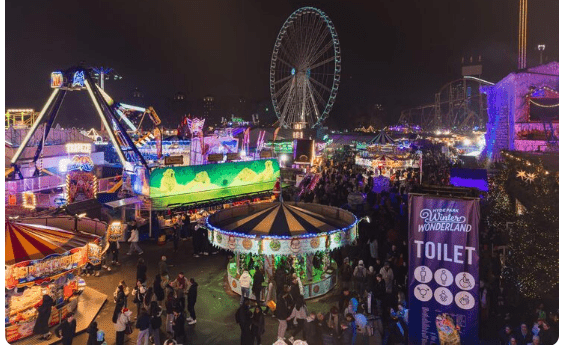
For the time being, Werribee’s tourism offerings are centered around the Open Range Zoo, a truly remarkable establishment that attracts a lot of visitors from the surrounding area, as well as the area’s larger parks and natural resources. These are not insignificant. However, they are also not the focal point that would bring Werribee into line with Sentosa, Disneyland Tokyo, or even Dreamworld. A developer eager to take on the risk, a government ready to contribute to infrastructure, and sufficient faith in Melbourne’s growth trajectory to support the wager are all necessary for a big amusement park to actually locate here. It’s possible for all three to coincide. They haven’t done so yet.
