


Before the aroma of fried onions or the thump of bass from the waltzer speakers, the first thing you notice about a British funfair is how laid back everything appears. With one hand close to a lever that could spin twenty people in a matter of seconds, a man wearing a hi-vis vest leans against a control panel and talks to a teenage girl in line. He doesn’t appear anxious. That’s kind of the point.
In the entertainment industry, ride controllers occupy an odd middle ground. Despite the fact that audiences watch them, they are not truly performers. Despite living among steel and hydraulics, they are not quite engineers. They are positioned between the operator, host, bouncer, and final line of defense. Even though the public hardly notices them at all, the law, at least in Britain, takes their role seriously. The majority of fairground accidents are caused by inadequate maintenance or operation, according to the Health and Safety Executive. In other words, someone made a mistake.
| Information | Details |
|---|---|
| Topic | Fairgrounds Ride Controllers |
| Primary Regulator (GB) | Health and Safety Executive |
| Regulator (Northern Ireland) | Health and Safety Executive for Northern Ireland (HSENI) |
| Inspection Scheme | Amusement Devices Inspection Procedure Scheme (ADIPS) |
| Inflatables Scheme | PIPA |
| Industry Body | Amusement Devices Safety Council (ADSC) |
| Inspection Frequency | Annually, by a competent person |
| Written Risk Assessment | Required if employing five or more people |
| Common Accident Causes | Poor maintenance, poor operation |
| Statistics Source | HSE statistics and NAFLIC |
| Core Duties | Manage hazards, inform and train staff |
On a setup morning, the romance quickly fades if you walk around the rear of any sizable traveling fair. Across a partially constructed dodgem track, there are men yelling numbers, mud-streaked cables, and diesel fumes. Employers must plan and oversee every step of the construction and disassembly of these machines since it is a work environment in and of itself. The extent to which the legal system is more about culture and paperwork than technology is startling. Educate your employees. If you employ five or more people, put your risk assessment in writing. Keep the handbook close at hand. Make sure to check the bolts.
Speaking with those who have worked in the field for years gives me the impression that the industry is aware that a negative headline could send the public into a panic. The majority of controllers rely on ADIPS, an inspection scheme, in part because of this. The closest thing the industry has to a MOT is an annual sign-off from a registered inspector, and HSE treats inspectors who are not part of the scheme with courteous suspicion and requires employers to provide evidence of their competence assessment. It’s a subtle but genuine bureaucratic pressure.
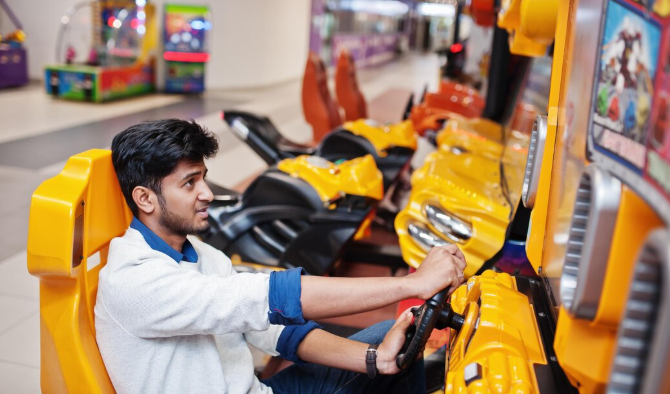
Judgement is more difficult to legislate. In the moment, a controller determines whether a child is tall enough, whether a harness clicked correctly, and whether the platform has become too slippery due to rain. Modern rides now have pressure-sensitive switches and sophisticated monitoring systems that pick up on details that the human eye might overlook. Nevertheless, a person typically pulls the lever. On a Saturday night, people become weary, preoccupied, or hurried by a long line.
It’s difficult to ignore the fact that the rides that seem the safest are frequently operated by families who have been doing this for many generations. They walk the perimeter before opening, kicking the trailer’s tires and keeping an eye on the guard rails with a sort of inherited caution.
It’s really unclear if that culture will endure over the next ten years as costs increase and more shifts are filled by casual labor. The machines are becoming more intelligent. The rules are becoming more comprehensive. However, whether or not one person is paying attention on a rainy Tuesday night ultimately determines the outcome of the job.
