
At this park nestled in the foothills of the Smokies, a quieter kind of work is taking place somewhere between the slow rumble of the Dollywood Express pulling into its station and the scent of cinnamon bread wafting from the bakery. It takes place inside a small building close to the entrance, where a family may enter with a wheelchair, a stroller, or just a child who needs a few more minutes to catch their breath before the commotion of the day starts. The Ride Accessibility Center isn’t very eye-catching. No signs promising magic are present. However, it is now the reason why more and more families are returning.
Dollywood has been performing this type of work for a longer period of time than the majority of parks in the nation, and it seems to be evident in the little things. Van-accessible spots are located near the entrance, and visitors with accessible parking permits are directed directly to Lot A/B. Technically, it’s a minor issue. However, anyone who has maneuvered a wheelchair through an asphalt parking lot in July understands that it is anything but insignificant.
| Information | Details |
|---|---|
| Park Name | Dollywood Theme Park |
| Location | Pigeon Forge, Tennessee |
| Physical Address | 2700 Dollywood Parks Blvd, Pigeon Forge, TN 37863 |
| Owner | Dolly Parton & Herschend Family Entertainment |
| Year Opened | 1986 |
| Accessibility Resource | Ride Accessibility Center located near the park entrance |
| Services Offered | Boarding passes, sensory guides, wheelchair & ECV rentals, dietary accommodations |
| Guide Length | 35-page Rider Safety & Accessibility Guide |
| Nearby Attraction | Great Smoky Mountains National Park |
| Annual Visitors | Roughly 3 million |
More than the paperwork, the center’s philosophy is what makes it unique. Employees there take the time to speak with families, finding out what they can manage, what worries them, and what kind of pass, if any, would be helpful. When waiting in a regular line is impractical, boarding passes enable visitors to enter rides through alternate entrances. Dollywood doesn’t pretend that the system is flawless. However, it is predicated on the notion that disability isn’t a single category to be checked off, a problem that the larger parks have long faced.
This also has a cultural component. Dolly Parton has frequently discussed the difficulties facing her own family, and the park seems to incorporate that empathy into its operations in some difficult-to-define way. Travel bloggers who use power wheelchairs, such as Cory Lee, have praised the park’s setup, pointing out that employees treat accessibility as an expectation rather than an accommodation. It’s difficult to ignore the fact that something is working here when you watch a family with a child on the autism spectrum navigate Wildwood Grove. The staff and parents are calm, and the child is holding a sensory toy as the carousel starts its turn.
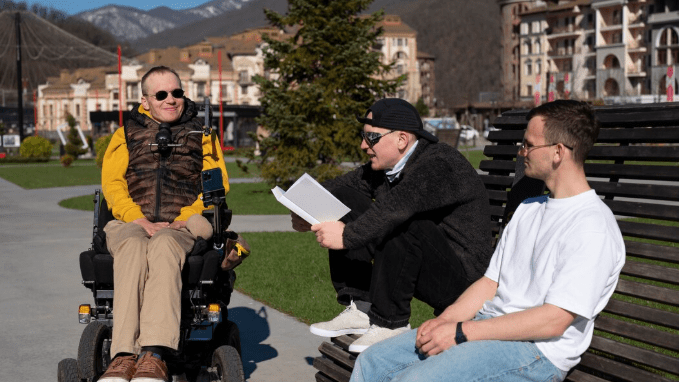
The experience is supported by the numbers. The Open Doors 2015 market study estimates that adults with disabilities spend about 17.3 billion dollars a year on travel, which increases to 34.6 billion dollars when families and companions are taken into account. Theme parks have been sluggish to acknowledge this economic fact. For whatever reason, Dollywood was ahead of it. The 35-page Rider Safety & Accessibility Guide isn’t intended for commercial purposes. Families actually use this manual, which is packed with information about ride-by-ride breakdowns, mobility considerations, and height requirements, to plan their days.
It’s still unclear if other parks will significantly adopt the model. Disney’s Disability Access Service program has been the subject of years of criticism and legal action, while Universal has a convoluted past of its own. Families in the neighborhood feel that Dollywood is doing something both easier and more difficult. Every visitor, regardless of ability, should be treated as though they came here to enjoy their day. On paper, that isn’t revolutionary. It may be the most drastic thing a theme park can do in reality.
