


On a warm afternoon, the factory pipes near Chocolate Avenue still emit a subtle chocolate scent in Hershey, Pennsylvania. However, the town feels different now than it did ten years ago if you walk a few blocks toward the park gates. A restaurant with a cocktail menu, a water park with tall palm trees that spill buckets onto screaming children, and a new hotel are all on the horizon. Hershey is no longer just a candy company. People are starting to plan whole vacations around it.
When Hersheypark announced Chocolatetown, a $150 million project that at the time was the biggest capital investment in the company’s history, in 2018, the change really started to take shape. Twenty-three acres, a flagship store, an ice cream shop with real ice cream experts, and a brand-new roller coaster that promises to be the fastest and tallest in the park’s lineup. When written that way, it sounds almost ridiculous. However, it was successful. Even though the pandemic disrupted all American travel plans when the expansion opened in 2020, the park managed to stay afloat.
Interestingly, Hersheypark didn’t end there. It continued to grow. A new ride one year, a restaurant the next, hotel rooms the following—there’s a pattern to it now, almost a rhythm. The park doubled its opulent villa accommodations at The Hotel Hershey and introduced a record-breaking swing ride in 2025 alone. By early 2026, a restaurant near Cocoa and Chocolate Avenue was getting ready to open for its 120th season of business, and a brand-new select-service hotel called Hershey Inn & Suites was taking reservations.
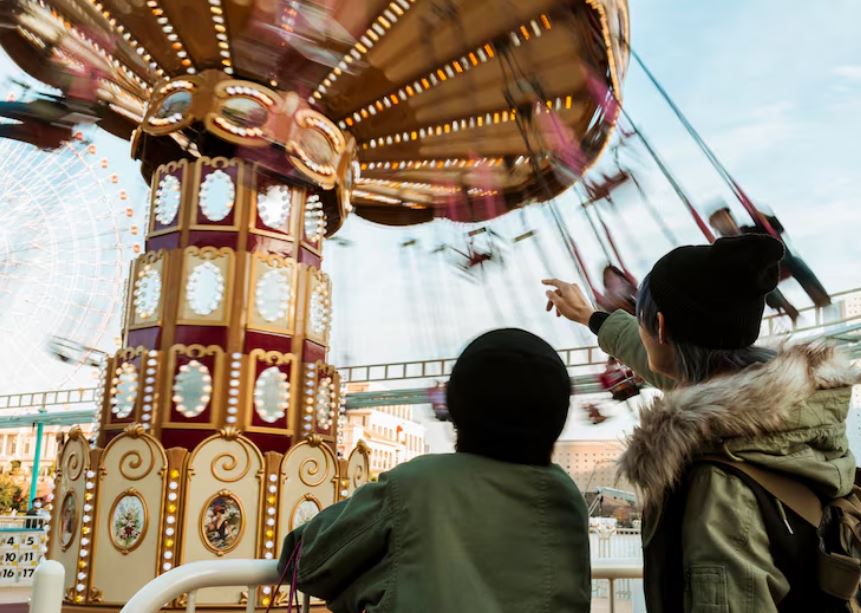
It’s difficult to ignore how intentional everything seems. Typically, amusement parks end their operations after chasing the next big coaster. Hershey appears to be constructing something more akin to a complete ecosystem, complete with lodging, dining, entertainment, and retail, all integrated to ensure that a family never truly needs to leave. It’s not a coincidence. Though on a much smaller, more localized scale, it is a tactic that has been loosely adapted from Disney’s playbook.
Additionally, the location is helpful. Five of the biggest metro areas in the Northeast are all within driving distance of Hershey, and that geography does a lot of quiet work. You are not required to fly in. All you need is a weekend and a tank of gas. The company seems to have put a lot of emphasis on that convenience, positioning itself more as a simple, chocolate-scented getaway than as a one-day thrill ride.
In comparison to Chocolatetown, this year’s water park additions—new play areas with dolphin fountains and shaded decking—feel almost insignificant, but they are significant for a different reason. Even in years when there isn’t a major event to announce, they manage to keep visitors coming back. Season pass holders are aware of these things. Families from the area who have been coming since they were young also do.
It remains to be seen if this rate of investment is long-term sustainable. It is costly to build hotels and restaurants, and when the economy falters, tourism spending can change dramatically. However, the momentum appears genuine for the time being. The town surrounding Hershey Entertainment & Resorts continues to absorb the expansion without losing what initially made it so charming as the company continues to pile projects on top of projects.
Witnessing a single company, based on Milton Hershey’s original candy factory, transform an entire local economy through sheer perseverance seems almost archaic. It’s not as ostentatious as a resort in Las Vegas. It’s more Pennsylvania, more gradual, and more steady. And perhaps that’s precisely why it’s functioning.
