


Seeing a 98-year-old berry stand attract teenagers with ring lights is almost amusing. During the Great Depression, Walter and Cordelia Knott used pie sales and roadside boysenberries to create Knott’s Berry Farm, a theme park in Buena Park that was never meant to be fashionable. The place your grandparents took you for fried chicken and a log ride was meant to be dependable. It has somehow changed over the past few years, turning into a Gen Z hangout with long lines outside and a social media feed full of teenagers filming themselves on Ghost Rider.
It’s worth pondering how bizarre that is. Disneyland, which is glossier, better funded, and constantly promoted, is located almost directly down the freeway. Knott’s has never attempted to compete on a large scale. Instead, it has texture: a chicken dinner restaurant that hasn’t altered its recipe since 1934, the original Ghost Town buildings Walter Knott brought in piece by piece from real mining towns in the 1940s, and a boysenberry that is still unique. Strangely, a generation accustomed to algorithmic sameness seems to be drawn to that kind of specificity.
This pattern isn’t exclusive to Knott’s. Thrifted Levi’s, Casio watches from the 1990s, and restaurants that haven’t updated their menus in decades are just a few examples of the unpolished and somewhat analog items that Gen Z has come to appreciate. Knott’s almost unintentionally fits that description. It was never changed to appeal to a particular demographic. It simply continued to be itself long enough for the culture to return to it.
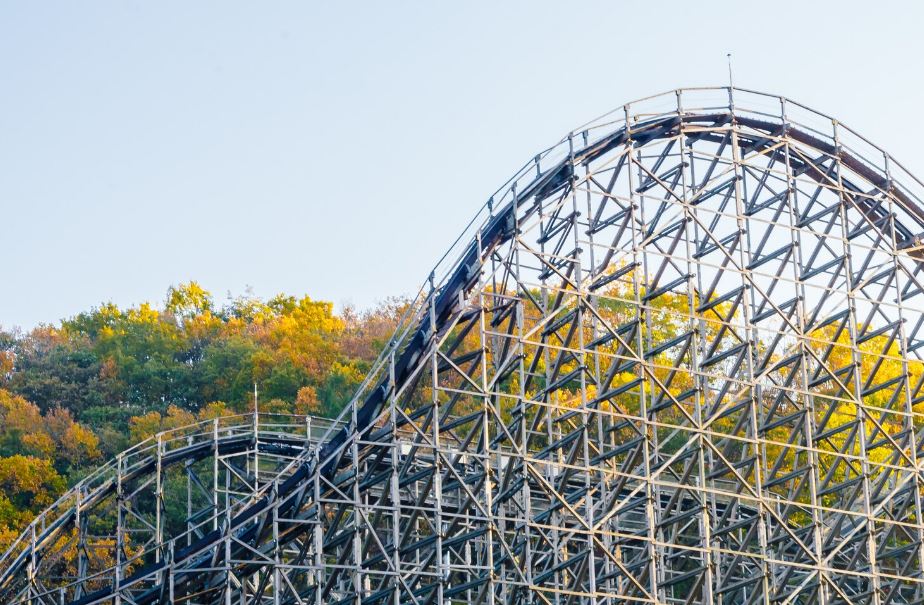
The crowd is different now than it was ten years ago when you stroll through the park on a Friday night. Teenagers congregate around the Timber Mountain Log Ride to wait for the splash photo because it has become an internet inside joke rather than because a park social team instructed them to. Food videos frequently feature the boysenberry funnel cake, more because it’s unfamiliar to most people under 25 than because it’s objectively amazing.
None of this was the result of some clever rebranding. The Halloween Haunt event, which has quietly developed a cult following for years, appears to be doing more organic work than any campaign could; Knott’s marketing hasn’t completely changed. The park may have benefited from not trying too hard. A genuine ghost town, a genuine family history, and a genuine fried chicken recipe that hasn’t been touched since the 1930s are just a few of the decades of authenticity that Knott’s has lying around for free.
It remains to be seen if this is true. Nostalgia cycles and cultural attention are erratic, so something that seems appealing now may seem outdated in a few years. Investment is another issue; a second act based on vibes still requires operational rides and new attractions to stay afloat. The park’s current owner, Cedar Fair, will have to choose whether to embrace this moment or just let it unfold.
However, it says something to see teenagers standing in line for a coaster that was constructed in the 1970s. It implies that what appeals to people isn’t always the newest. Sometimes it’s the thing that has been silently standing for the longest while everyone assumed it wasn’t paying attention.
