


The summers in Florida never end. In Orlando, the heat index regularly rises above 105 degrees from June to September, and afternoon thunderstorms can quickly close down an outdoor attraction. Standing in line in the hot sun, wondering if the ride is worth it, is a terrible thing that anyone who has spent a July afternoon near International Drive knows. Because of this, rather than any marketing brief, there seems to be a new wave of serious investment in climate-controlled indoor water parks all over Central Florida.
Toys R Us’s $500 million indoor water park is the most talked-about project right now. It will be built on an 11-acre plot along State Road 535, right next to Disney. Plans that came out earlier this year show a building that is 90,000 square feet, which is pretty big for an indoor park. The Mattel IP connection (Hot Wheels, Barbie, UNO) gives the project an audience right away, but it’s still a good idea to think about whether brand recognition really means long lines and repeat visits.
The timing isn’t a mistake. Great Wolf Lodge has already committed to building its biggest location ever in Florida. The resort will be in Naples and have 500 suites and an indoor water park that’s 100,000 square feet and open all year. It looks like this is starting to become a pattern: developers are no longer using Florida’s weather as an advantage in brochures. They see it as a problem with logistics that needs to be worked around.
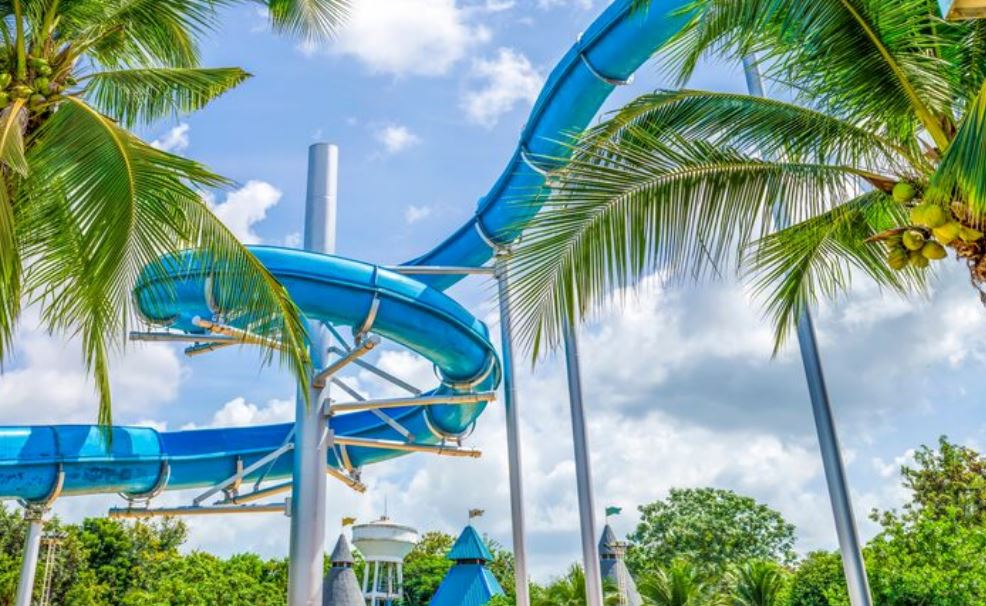
Orlando’s outdoor parks have built up loyal fan bases over many years of changes. The water park at SeaWorld, Aquatica, had 1.5 million visitors a year before it was named the best outdoor water park in the country. Island H2O Live, which opened in Kissimmee in 2019 and won an award from the World Waterpark Association that same year, took a different approach by adding RFID wristband technology, on-ride photography, and lighting and music that could be changed to make the experience more unique. Digitizing things was supposed to make trips worth taking even when the weather was nice outside. These kinds of ideas are what the new indoor projects are relying on, but in a completely climate-controlled shell.
The $500 million number is interesting because it tells us something about operating assumptions. Putting up a park that big in a market that’s already served by Disney’s Typhoon Lagoon, Universal’s Volcano Bay, and a number of strong independents shows that the owners think there’s an unmet need, especially from families who want to spend the whole day in the water without having to leave because of the Florida heat. They might be right. In many parts of the country, summer school schedules make it hard for families to travel during the months when it’s hardest to get around outside in Orlando.
Also, it’s important to remember what has been lost recently. A water park in the area that had been open for 40 years closed in the middle of 2026, without giving a clear date for when it would reopen. Over at Raging Waters, there were 14 rides and a 350,000-gallon wave pool. Its closing shows that staying in business for a long time isn’t always easy, and even parks that have been around for a while can have trouble when the competition changes.
Whether or not the new indoor parks do better depends on how well they are run and whether or not visitors enjoy being inside as much as being outside in a park that was designed to fit its natural surroundings. There is a version of this that works great—temperatures are kept stable, operations stay the same, and there are no weather-related shutdowns. There is also a version where the scale seems fake and the fun seems limited. The real question worth $500 million is what kind of Orlando they get.
