


It’s never really necessary to introduce Charleston. You can quickly see why this city was ranked #1 on Travel + Leisure’s World’s Best list for twelve years running when you stroll through the French Quarter on a Tuesday morning, past the women selling sweetgrass baskets on Market Street and past the wrought-iron balconies dripping with jasmine. Twelve. That’s the kind of run that makes travel editors secretly anxious about the day it ends and other cities secretly jealous.
It did end this year. Charleston fell to No. 3 while Santa Fe, New Mexico, rose to the top spot. Anyone who had recently visited Santa Fe, with its adobe warmth and canyon-light skies situated 7,000 feet above sea level, probably saw it coming. The news echoed through the travel industry with an odd mix of surprise and inevitability. This is the detail that most people overlooked when the rankings were rearranged: one Charleston property accomplished something that the rest of South Carolina was unable to, even though the city suffered a slight downgrade. It was included on Travel + Leisure’s “It List.”
That distinction is more important than it may seem. The “It List” is not a consolation prize. It is a carefully chosen collection of establishments that editors and readers agree are the most appealing places to stay right now—places that feel vibrant, purposeful, and unique to their location. It’s not a footnote to land on it as the only representative from a whole state. It’s a declaration.
Wandering through Charleston’s historic district gives one the impression that the city has always operated on a different register than other Southern destinations. With chefs who have trained all over the world and returned with something to prove, the cuisine here is serious—not just charming, not just “Southern comfort,” but truly serious. The architecture is meticulously conserved. To be honest, every other coastal city is treated unfairly by the late afternoon light off the harbor. In a location like this, a well-chosen inn captures more than just being close to those things. It’s the specific atmosphere they establish together.
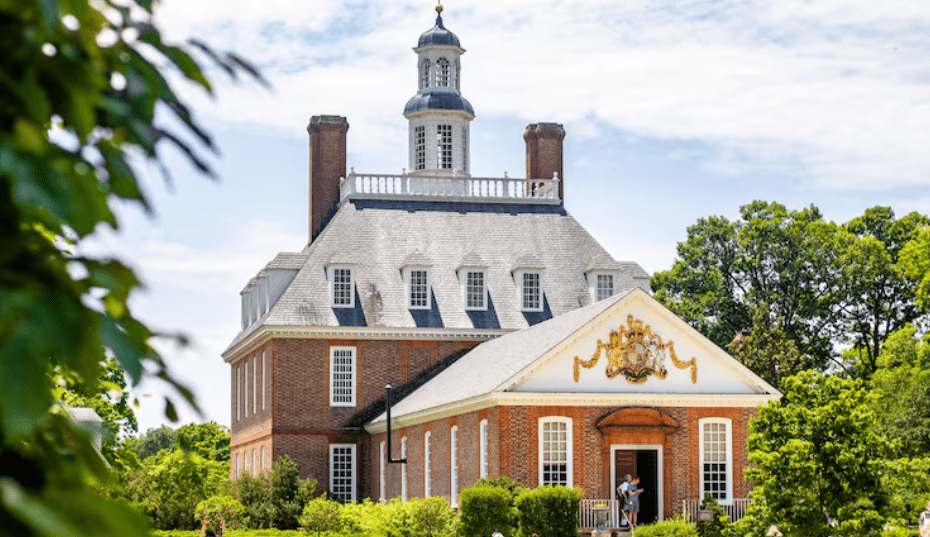
Charleston’s ranking at No. 3 on the overall list, slightly ahead of Savannah but behind Santa Fe and New Orleans, nevertheless reflects a remarkable run of cultural appeal. According to Jess Feldman of Travel + Leisure, the city’s 12-year dominance is unprecedented for the publication. That is not insignificant. However, rankings are meant to change. The texture of a particular stay, such as the creak of old floorboards, the scent of a courtyard after morning rain, and the unique hospitality of a city that has been welcoming strangers for three centuries while still managing to make it feel personal, is something they are unable to adequately capture.
For the Charleston inn in question, the “It List” recognition might be more important than any one ranking. Not only are properties on that list reviewed, but they are recommended as the kind of place worth taking a detour to see. Having one property from the entire state receive that editorial confidence is a quiet kind of victory in a year when Santa Fe’s “distinctive cultural roots and natural beauty” are luring tourists westward and Savannah is closing in on Charleston at No. 4.
This year, South Carolina made two appearances in Travel + Leisure’s top rankings: Charleston, which came in at number three on the city list, and Greenville, which made an incredible appearance at number seven. However, the positioning of the “It List” is different. It is associated with a single address, a collection of rooms, and a particular interpretation of what Southern hospitality can look like when it is carried out with sincere care as opposed to generic nostalgia.
It’s genuinely unclear if Charleston will ever regain its position as the top city. Santa Fe’s moment seems genuine rather than ephemeral. However, the city has never needed a ranking to make the trip worthwhile, and now it has something that might endure longer than a ranking, at least for one inn.
