
The grounds appear more like a construction site that hasn’t quite figured out what it wants to be than a carnival a few days before the Delta Fair opens its gates. Somewhere behind the partially constructed funnel cake stands, generators are humming. With its lights off and its gondolas swinging softly in the wind, a Ferris wheel sits still. A man with a clipboard is climbing a steel staircase to check a bolt that most fairgoers will never consider, somewhere in that strange, in-between space.
The fair opens at all because of that man, or someone like him. This year, the Delta Fair made a subtly important move by hiring an independent inspector from the National Association of Amusement Ride Safety Officials. While county and private inspectors continue to conduct their rounds, the addition of an NAARSO inspector seems more like an acknowledgement that the previous approach was insufficient than a formal step. Walking around the premises gives the impression that the fair’s organizers have been reading the same headlines as everyone else.
And those headlines have not been pleasant. In East Tennessee, three kids fell off a ferris wheel. In Pennsylvania, a three-year-old child fell off a roller coaster. In the same month, six people in Connecticut were shocked while riding. It’s the kind of run that causes parents to reconsider releasing a small hand from a harness. It’s likely the type of run that reduces inspectors’ sleep as well.
Before anyone can board, sixty rides must be inspected and approved. Those that fail are marked with a little piece of paper or plastic, which essentially stops them from operating until repairs are completed. Because the tag is non-negotiable, the straightforward—almost antiquated—system is effective. No riders, no tag. On the initial walk-through, some rides are cleared. Others have a list at the end. Sometimes they don’t make it at all.
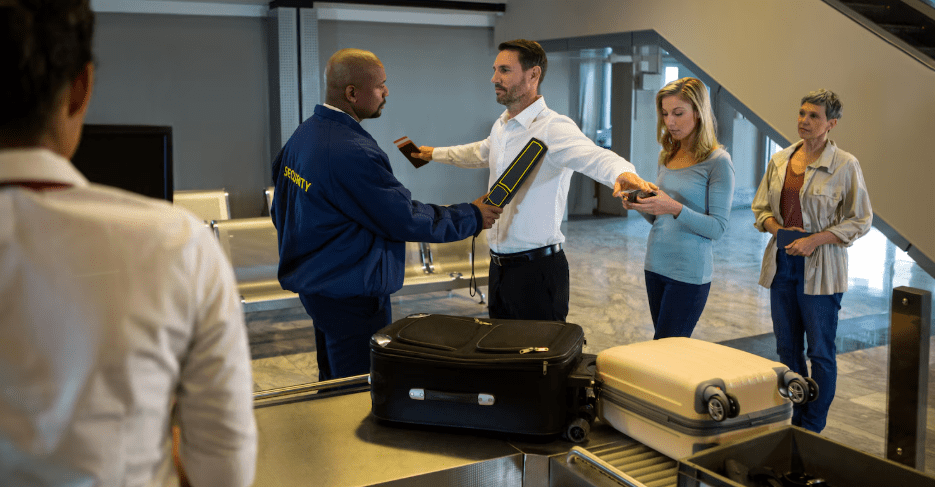
The NAARSO inspector working the fair, Wayne White, describes the work in terms that are more relatable than technical. He says, “I approach everything just like my grandchildren are getting ready to get on that ride,” and it’s clear that he means it the way grandfathers do. It’s a helpful filter—possibly even more helpful than a checklist. You wouldn’t pass it if you wouldn’t put your own child on it. He acknowledges that there is pressure, but he maintains that it lessens when everyone upstream of him performs their duties properly.
That filter is required in part because of the patchwork of regulations. The fact that there are no federal regulations governing inspections of amusement rides is one of those things that becomes more difficult when stated aloud. States establish their own regulations or, in certain situations, none at all. In order to grant a permit, Tennessee at the very least requires inspections, which must take place within three months of the application for traveling fairs. The last inspection of a number of the rides at the Delta Fair took place in late July while they were operating at an Ohio fair. Tennessee signed off since there were no problems.
However, for a machine that is disassembled, transported across state lines, and then bolted back together in a field, a month is a long time. When Fair President Mark Lovell explained why they brought in additional eyes, he essentially acknowledged this. Inspections are now conducted at the beginning and end of each day as well as whenever a ride operator switches shifts. Throughout the run, there will be sporadic inspections.
One piece of advice Lovell gave me stuck with me because it slightly shifts the burden back to the rest of us. Keep an eye on the operator. Is he listening? Is he using his phone? There isn’t a safety report attached to the side of the Tilt-A-Whirl, but you can request to see the fair’s permit. The bolts have eventually been inspected, the tags have been removed, and everyone is just observing one another. It’s difficult to ignore how important that is.
