


It’s difficult to explain the unique energy of school fairs to someone who hasn’t attended one. A jumping castle buckling slightly in the afternoon breeze, children in uniform holding ride tickets, and the smell of sausage sizzle wafting over the oval. It seems like a low-stakes situation. Even festive. Beneath all of that, however, is a layer of actual risk that Australian authorities have been quietly grappling with for years. The Australian Capital Territory is now one of those advocating for more organized, legally binding solutions.
The regulations pertaining to the hiring of carnival and fair rides for school events have become much more specific under updated guidelines that apply to ACT schools. It is not allowed for schools to own or run their own amusement rides. That part isn’t particularly new, but the level of detail in the responsibility chain has changed. A formal agreement must be in place before a school hires a third-party ride operator, whether for a midterm celebration or a Saturday fete. Not a shake of hands. Not a thread of emails. a formal agreement with documentation between the operator and the school council.
Some school administrators may feel overburdened by this amount of documentation. However, when you consider what has gone wrong at similar events, the logic behind it becomes more apparent. Adelene Leong, an eight-year-old girl, suffered fatal injuries in 2014 after being kicked out of a ride at the Royal Adelaide Show. Her death could have been avoided, according to the inquest that followed. In the ensuing years, state and territory governments throughout Australia have been under increasing pressure to tighten their ride safety policies.
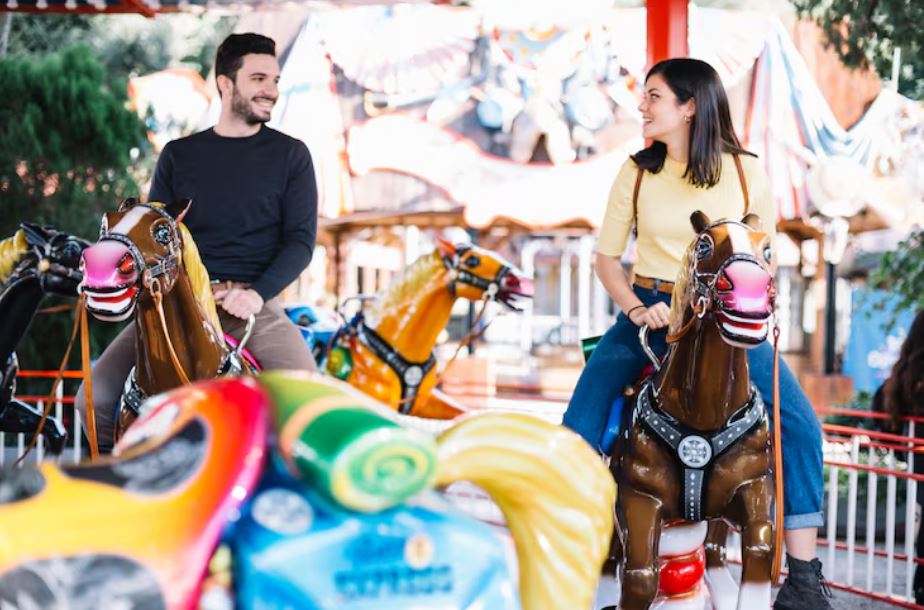
The current requirements of the ACT encompass more than just the obvious attractions. The policy applies to ferris wheels, carousels, bungee trampolines, motorized rides like the Cha Cha or Scrambler, petting zoos, and pony rides. Jumping castles and Zorb balls are examples of land-borne inflatable devices. Particularly for inflatables, operators must show that they are adhering to instructions for controlling access, monitoring wind speed, and anchoring. The significance of the final point is evident to anyone who has witnessed a jumping castle catch a gust on a windy spring afternoon.
Additionally, schools are now required to verify that operators are adhering to child safety regulations, including having a Child Safety and Wellbeing Policy and a Code of Conduct, and that personnel who work with children have undergone appropriate screening. Checking these bureaucratic boxes shouldn’t be done carelessly. In the past, there has been inconsistent scrutiny of the qualifications of the workforce managing ride operations at school events, which is frequently seasonal and casual. Similar changes were implemented in Queensland in 2019, requiring operator training and thorough logbooks for every ride, in part as a reaction to the Dreamworld tragedy of 2016. That same spirit is reflected in the ACT framework.
Observing all of this at the territory level gives the impression that Australia is gradually piecing together a patchwork of improved practices, even in the absence of the unified national database that some safety advocates have been demanding. A centralized, national registry of design registration numbers for all show rides was one of the recommendations made by the Adelaide inquest. There are still gaps in that system. Which means the local frameworks, the ones schools in Canberra are now operating under, carry more weight than they might seem to at first glance.
For parents arriving at a school fete this winter, little of this will be visible. The rides will spin, the kids will line up, and the school council volunteers will look mildly exhausted. But behind the scenes, someone will have signed a contract, completed a risk checklist, and verified that the operator knows what they’re doing. That’s not a small thing. It’s just a quiet one.
