
Before an amusement park opens, a certain kind of silence descends upon it. A roller coaster is operating its first empty test cycle somewhere in the distance, with no passengers and only the sound of wheels on steel and the mechanical hum of a system being evaluated. The lights are already flickering on, and the faint smell of machine grease permeates the air. The majority of visitors never witness any of this. When the lines are forming and the music is playing, they show up. However, the actual work was completed on a checklist hours earlier.
Ride clearance is a serious matter for park operators and inspectors. A series of layered checks, including mechanical, operational, and environmental ones, are performed by trained personnel before any guest is permitted anywhere near a harness or lap bar. Structural integrity is the first thing an inspector looks at. Bolts, welds, and frame connections are examined visually and occasionally tested physically, particularly on high-impact rides like drop towers and coasters. A week of July heat can cause metal parts to expand and contract, changing the behavior of a bolt that appeared fine last Tuesday.
The inspector’s job becomes almost uncomfortably precise when it comes to safety restraints. The locking resistance of lap bars is tested. The entire range of motion of over-the-shoulder harnesses is cycled. On family vacations, seatbelts are pulled, tugged, and examined for fraying. It’s possible that the majority of people believe this occurs automatically because the ride has a built-in mechanical guardian. However, reality is more human than that. Standing there with hands on a harness, a skilled operator determines whether it holds.
The control systems are given careful consideration. Every day prior to the first public dispatch, emergency stop functionality, or the E-stop, is tested. The ride won’t open if the E-stop doesn’t react appropriately. Error codes are examined in control panel diagnostics, and any fault that appears is put on hold until maintenance resolves it. It is expressly forbidden for inspectors to manually circumvent a PLC, which is the programmable logic controller that controls ride sequencing. Bypassing one is a shortcut that usually ends badly.
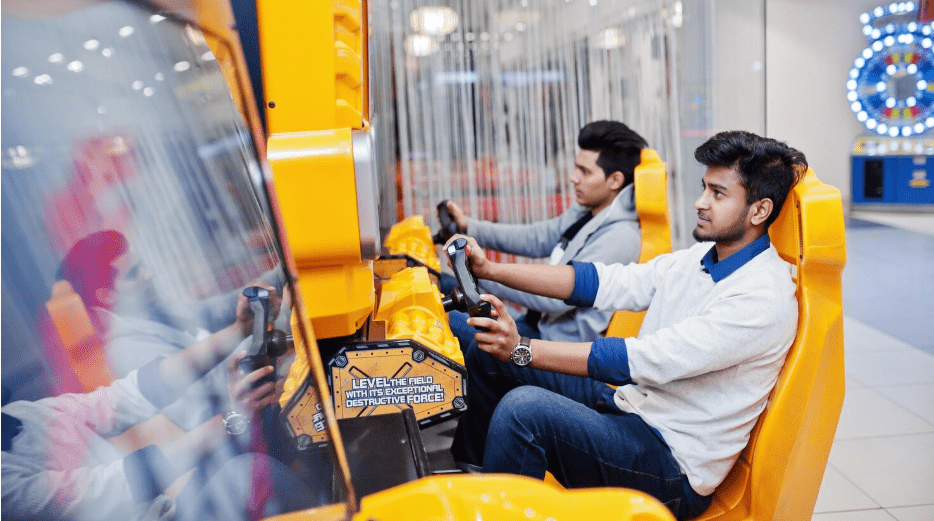
A thorough walkthrough of the surrounding area and ride surfaces is also conducted. Track segments are examined for debris. In the vicinity of the boarding zone, queue lanes are examined for anything that could trip visitors, such as broken rails or slick surfaces. The accuracy and visibility of height measurement stations—those painted poles near the entrance that kids anxiously stare at—are confirmed. A faded or absent height marker is not a small mistake. There is a safety gap.
Before opening, operators check the weather, and they keep an eye on it all day. Swing rides and skyscrapers can be abruptly brought down by strong winds. Although visitors in line may not always agree with the decision to stop operations, park administrators and inspectors have the right to do so. The general public seems to underestimate the speed at which conditions can change the risk calculation during an aerial ride.
Emergency procedures are examined, including staff placement during incidents, evacuation routes, and radio codes. Before they ever stand at a control booth, rather than after something unforeseen occurs, operators must understand what a Code Yellow signifies. It is confirmed that first aid supplies are available. PA setups and other communication systems are tested for functionality.
Lastly, the previous day’s maintenance log is examined. Not only do daily, weekly, and monthly inspection records satisfy regulators, but they also provide information about how a ride is aging, where stress is building up, and what might need to be fixed before it becomes an issue.
It’s difficult not to feel that the true excitement is imperceptible when you watch all of this happen before a park opens—quietly, methodically, and without fanfare. Later on, there is screaming. The first priority was safety.
