


There’s a theme park 40 minutes west of central London on the M4, just off the intersection near Windsor Castle. It doesn’t make the kind of headlines that Alton Towers does when a ride goes wrong or Thorpe Park makes when it announces something meant to scare teenagers. In recent years, Legoland Windsor has developed a business model that parks with far greater brand awareness might take a closer look at than they do now. It also runs quietly and grows steadily.
The park’s most architecturally significant transformation was from a day attraction to an overnight vacation destination. The initial step was to create hotel rooms with a theme based on Lego aesthetics, with the goal of extending the visitor interaction past the park gates and into the evening. By establishing itself as Merlin’s first carbon-neutral overnight resort, The Woodland Village went one step further. It is no coincidence that family-friendly design and environmental credentials are combined. Both of those factors appeal to the target market, which consists of a family with children under twelve, a substantial amount of disposable income, and some environmental conscience. Without having to double the number of visitors, capturing that tourist for two nights instead of one afternoon approximately twice the revenue possibility.
The second component of the strategy that is often undervalued from the outside is the seasonal event schedule. Theme parks in the UK have always been summer companies, with substantially worse performance during the shoulder months. Legoland Windsor has put a lot of effort into altering that situation. The park’s Halloween-themed fall program, Brick or Treat, has grown to the point where, in terms of revenue as well as attendance, it is getting close to its peak summer tourist levels. That is a significant achievement. This improves the overall operation’s profitability by distributing the park’s fixed expenditures over more productive working weeks.
Reinvestment of capital has been steady and focused. The world’s first LEGO-themed dueling rollercoaster, the Minifigure Speedway, and the world’s first LEGO indoor mini-golf attraction are two unique additions that have a special function: they provide families with children who have already visited with an incentive to return. The park’s 150-acre area restricts what may be added at any given moment, but the refresh cycle has been strict enough that the core audience never thinks that the product is stale.
The park’s ancillary expenditure bets are exemplified by the LEGO Ferrari Build & Race relationship. An experience that is more difficult to duplicate at home than a simple ride is produced by brand integration that blends physical construction with digital racing, increasing its perceived value and supporting premium pricing. The park has been purposefully focusing on the target demographic for that attraction, which is children who are aware of Ferrari and care about it, with a tendency toward wealthy families.
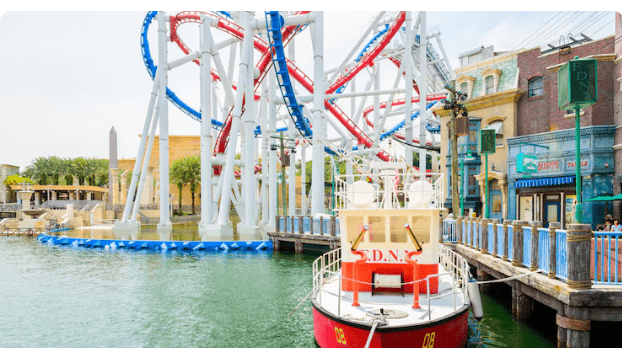
Legoland Windsor‘s business model may be under pressure as families balance cost-of-living restrictions against premium attraction pricing and as competition for the UK staycation pound heats up. However, the path has consistently been right: more operating calendar coverage, more income per guest, and more time per visit. It’s not a glamorous formula. It simply functions.
