


Every February, hundreds of ride operators, trainers, and safety supervisors congregate in a theme park that is still quiet before the season starts for what has become, at least in their industry, something of a pilgrimage. Ride Camp is the name of the event. The majority of those in line for a roller coaster are unfamiliar with it. That’s probably okay. However, many of the individuals inside the gates, who are monitoring loading platforms and inspecting harnesses, have.
For more than 20 years, International Ride Training, the Nashville-based company that created Ride Camp, has been conducting operational safety programs for the amusement sector. With over 100 educational sessions crammed into a single week, the 2026 edition debuted at Six Flags Fiesta Texas in San Antonio. The 2027 version has already been revealed; it will take place from February 1–5 under the name “Raise Your Standards Tour.” That name has an almost defiant quality, as though the company is challenging the industry to continue failing.
IRT does more than just hold conferences. The International Ride Operator Certification program, or iROC, is its main offering and perhaps its most significant contribution. According to IRT’s own description and the majority of the evidence that is currently available, it is the only third-party certification in the world designed especially for ride operators. It’s amazing to say that, and it’s even more amazing to seem to have accomplished it. The entertainment sector is enormous, worldwide, and closely monitored whenever something goes wrong. However, until recently, there was little infrastructure in place to certify the operators of the rides.
iROC attempts to alter that from the very beginning. The program is based on what IRT refers to as the “10 Critical Components of Ride Operator Professionalism,” a framework that addresses everything from making decisions under pressure to ensuring safety. However, the true mechanism is train-the-trainer education, which means that the certification increases parks’ internal capacity to continue teaching rather than merely instructing individuals. Recently, Parque Warner Madrid joined Slagharen in the Parques Reunidos portfolio after completing the iROC training. The most enduring impact of the training, according to Warner’s Operations Director Israel Berrio, was providing teams with “a shared vision and a common language.” It’s a subtly significant observation. Accidents frequently start with inconsistency.
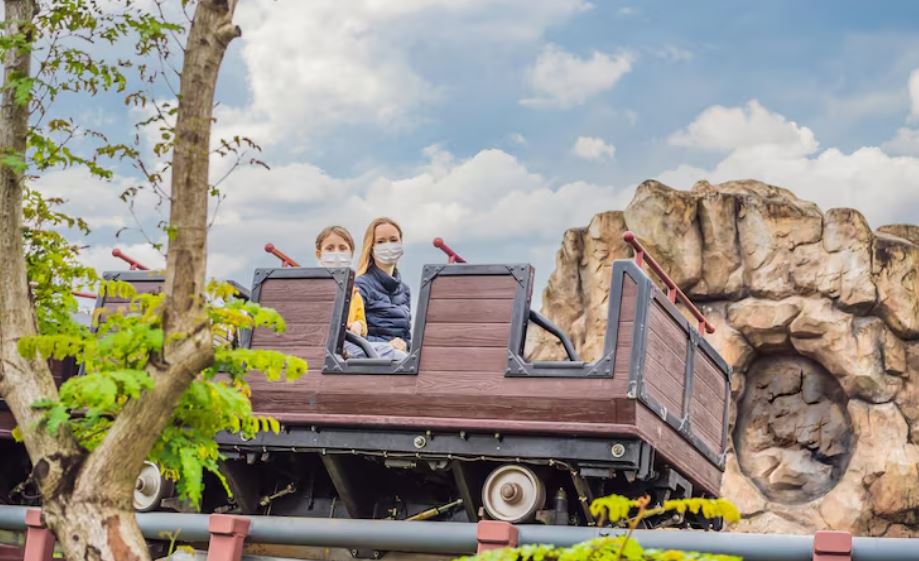
It appears that this is not a regional effort because Six Flags Qiddiya in Saudi Arabia recently joined the iROC program. The certification is spreading across continents, encompassing parks that operate in very different regulatory and cultural contexts but deal with the same fundamental issue: how can you ensure that the person loading a guest onto a ride on a Friday at 7 p.m. is as focused as the person loading the first guest at 10 a.m.?
The management team at IRT as a whole claims to have over a century of experience in ride and aquatic operations, which sounds almost theatrical when you take into account how long it actually takes to gain true expertise in this field. It’s not software. There are immediate and tangible stakes. A bug report is not generated when a harness check is neglected.
In that situation, Ride Camp serves as more than just a conference. It’s more akin to a professional assembly of individuals who quietly oversee public safety in one of the most neglected areas of the hospitality industry. The majority of the sessions delve deeply into operational details, such as SOP development, auditing techniques, and leadership development for managers overseeing sizable seasonal workforces. It’s difficult to ignore the fact that the entertainment sector is making independent efforts to accomplish what formal regulatory frameworks have frequently been unable to fully accomplish.
It’s still genuinely unclear if that’s sufficient. Industry-wide standards are only as strong as the culture that upholds them. However, there’s a feeling that something is changing as IRT spreads throughout parks in North America, Europe, and the Middle East. Safety in amusement parks is gradually but consciously becoming a discipline.
