
The summer of 2026 feels different in some way. Even though the sheer number of openings is astounding on its own, the motivation behind them is more important. You can tell that the industry has shifted from asking “what should we build next?” to asking “what should people actually feel?” when you walk through any construction fence surrounding this year’s big debuts.
According to Travel and Tour World’s recently released Top 50 rankings, the United States continues to lead the world in theme park travel, and the difference between first and second place isn’t exactly small. But dominance isn’t the more interesting narrative this summer. It’s about what’s coming, who is constructing it correctly, and which parks have realized that innovation without safety is just chaos with improved lighting.
The most subtly noteworthy opening of the season is likely Universal Kids Resort in Frisco, Texas, which opens on July 1. There are no franchise spectacles or record-breaking coasters for teens who post everything. It has something more difficult to design: a resort designed with families with small children in mind that doesn’t seem like an afterthought.
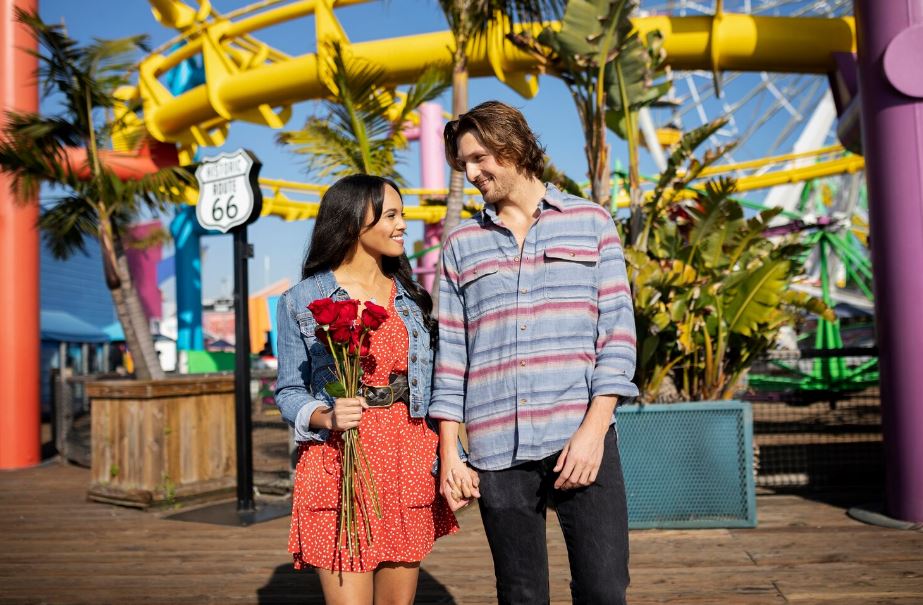
The 1,500 long-term jobs it’s creating in North Texas, the 300-room themed hotel, and the immersive lands calibrated for smaller riders are all significant details. Instead of being put together, they recommend a park that has been carefully considered. Particularly after Epic Universe’s first year in Orlando quietly drove twelve consecutive months of year-over-year tourism tax growth for Orange County, Universal Destinations & Experiences has a proven track record in this area. Crowds that feel safe and well-served are necessary for that level of economic performance.
This summer will also see the release of Fast & Furious: Hollywood Drift at Universal Studios Hollywood, which is a completely different kind of story in the best possible way. The park’s first-ever 360-degree rotating high-speed outdoor roller coaster seems like the kind of attention-grabbing move that occasionally compromises operational dependability for bragging rights. First-season kinks might appear, as they frequently do with truly new technology. However, Universal’s operational culture and safety infrastructure are strong enough that most industry observers aren’t worried about it. What the ride represents—a major park finally committing to the outdoor coaster experience that California’s climate has always made possible—far outweighs the 2,000 construction jobs and $5.4 million in projected use tax revenue.
The most intriguing debuts are taking place at smaller parks with big goals in Europe, where this summer is truly competitive. The Vekoma Family Boomerang Coaster at Festyland’s Valkyrie in Normandy, which costs 4 million euros, is the kind of project that merits more attention than it usually receives outside of France. A particular type of engineering restraint that large parks occasionally overlook is exemplified by a coaster that soars over current park pathways at 65 km/h while still being accessible to riders just over a meter tall. Vekoma has a solid reputation for safety. What distinguishes a good ride from a good experience is Festyland’s ability to wrap everything up in convincing Viking storytelling.
It is more difficult to confidently rank Parc Spirou Provence’s Naruto-themed Konoha Land opening, which is anchored by a 75 km/h Zamperla magnetic launch coaster. Unquestionably, the IP is strong. The specifications of the attraction are truly thrilling. However, new immersive zones this size—15,000 square meters—carry operational complexity that occasionally shows up gradually as issues with crowd flow or queues that don’t quite match the ride quality. It’s worth keeping a close eye on through August.
If there is an overarching theme for summer 2026, it is that the parks with the highest performance aren’t always the ones with the highest spending. They are the ones who have realized that with almost 1.2 billion visits worldwide this year, families have real options and real expectations. Jakob Wahl, the president of IAAPA, recently made a statement that stuck: innovation and differentiation are more important than being the biggest and best. Standing on the brink of this specific summer, there’s a sense that the parks that recognize that distinction are the ones that are worth the cost of a ticket. The crowds will sort out those who are still pursuing pure spectacle without the operational foundation to support it more quickly than any ranking.
