


If you go to Rotorua in the middle of the morning, the mist that rises from the thermal pools and the smell of sulfur in the air will no longer seem strange. You change. Then, for some reason, you start to enjoy it. Rotorua has been a place where people can enjoy the perfect mix of natural power and peace and quiet for more than one hundred years. But the town isn’t happy just sitting on old ground anymore.
The way Rotorua markets its geothermal identity is changing. It’s moving away from just relaxing soaks and toward something more complex, family-friendly, and, let’s be honest, more competitive with popular vacation spots. It’s not a new idea; it’s a planned evolution. The mud pools are not being paved over. But the water slides are on their way, and they’ll be right next to the mineral springs.
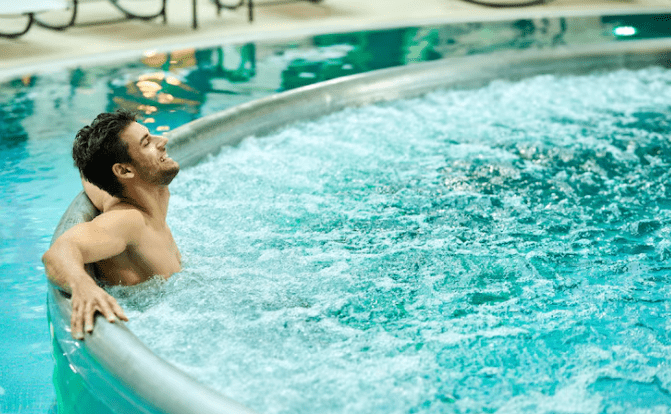
One of the city’s most popular bathing spots, Polynesian Spa, already gives you a sense of where things are going. Its Family Pools area has two Rachel Spring mineral hot pools that are heated to 37°C to 40°C and a freshwater chlorinated pool with a toddler area and a small hydro slide. The adults soak while the kids splash. Grandparents stand on the edge and watch. The setup is surprisingly useful—not as exciting as the geothermal landscape around it, but great for families who want more than just a quiet dip. You should still ask if that balance works all the way.
Kuirau Park, which is right in the middle of the city, has also been fixed up. It’s still free to get in, and there are public foot pools, bubbling mud features, and gardens that most cities would quietly wish they had. People from the area, backpackers, and families on a budget are more likely to go to the park than to the commercial spas. The fact that the council put money into that area shows that access to geothermal energy isn’t just for people who can pay high entry fees. That’s important, especially in a town that makes a lot of money from tourism.
Te Puia is still the most impressive geological sight in Rotorua, with Pōhutu Geyser shooting up to 30 meters into the air most days. It’s hard not to feel a little humbled as you stand there. There have been times when the geyser has erupted every day for more than 250 days in a row. This number seems high until you see it happen three times in one afternoon. The Māori presence here is not just for show; Te Puia is part of a living culture, and the geothermal landscape has names and stories that go back hundreds of years before Europeans came. That history doesn’t go away when a hydro slide shows up nearby, but it needs to be handled carefully.
There is a lot of tension in Rotorua’s plans for growth right now. The reputation of this town was built on something natural and unreplaceable: geothermal tourism. That reputation is put under different kinds of pressure by crowds, water park infrastructure, and long wait times during the busiest times of the year. Polynesian Spa already warns visitors that the spa can’t hold as many people during school breaks and long weekends. This is a sign of how popular it is, but it’s also a practical fact that could ruin the experience if it’s not handled well.
Still, the direction makes a lot of sense. Families travel in different ways than solo adventurers, and if Rotorua wants to keep appealing to visitors of all ages, it seems like the only thing that can be done is to meet them halfway, rather than selling out. The Te Ara Ahi cycling trail goes by four major geothermal sites and has places to swim in the river. This shows that the town knows how to add new experiences without covering up the original appeal.
What Rotorua is trying to do isn’t easy. Geological wonders and places to have fun in the same area without making one less important than the other takes a lot of discipline. There’s still no word on whether that plan works perfectly as a whole. The geyser still erupts at the right time, the springs are still hot, and the smell of sulfur still hits you when you land at the airport. At least some things aren’t going anywhere.
