


As soon as the third ferry crossing comes up, the Pacific Northwest stops feeling like a side trip and starts feeling like the point of the trip. Even in July, the water is cold and steel-gray. Herons stand at the water’s edge as if they’ve been there for decades, which they most likely have. You’re in a small boat or rental car when you smell the scent of Douglas fir. You realize that this area has been quietly offering something that most summer vacation spots can’t: stillness without emptiness.
Maybe people in the rest of America are coming to terms with it now. Over the past few summers, there has been a noticeable rise in searches for travel in the Pacific Northwest. Booking data from smaller lodges on Washington’s San Juan Islands and Oregon’s coast shows that this trend isn’t going away any time soon. Roche Harbor is tucked away at the northwest end of San Juan Island. Its small waterfront has become one of the most sought-after spots for travelers who want to avoid the crowded national park lines that happen at more popular destinations. Olympic National Park, which covers the whole northwest corner of Washington, is now getting the kind of steady attention that Yellowstone or Zion usually get. For now, though, it can handle it without getting too crazy.
It’s easy to see why so many people are drawn here. One thing that’s really hard to find anywhere else in the country is the Pacific Northwest: easy access to nature, summers that are mild compared to the rest of the country, and a food and coffee culture that doesn’t feel like a reward for being away from a city. Even though Portland and Seattle are still interesting cities in their own right, travelers are now using them as starting points instead of ending points. If you fly into Seattle and rent a car, you can be in a temperate rainforest watching water fall off a cliff into a river the color of glacial silt in 90 minutes.
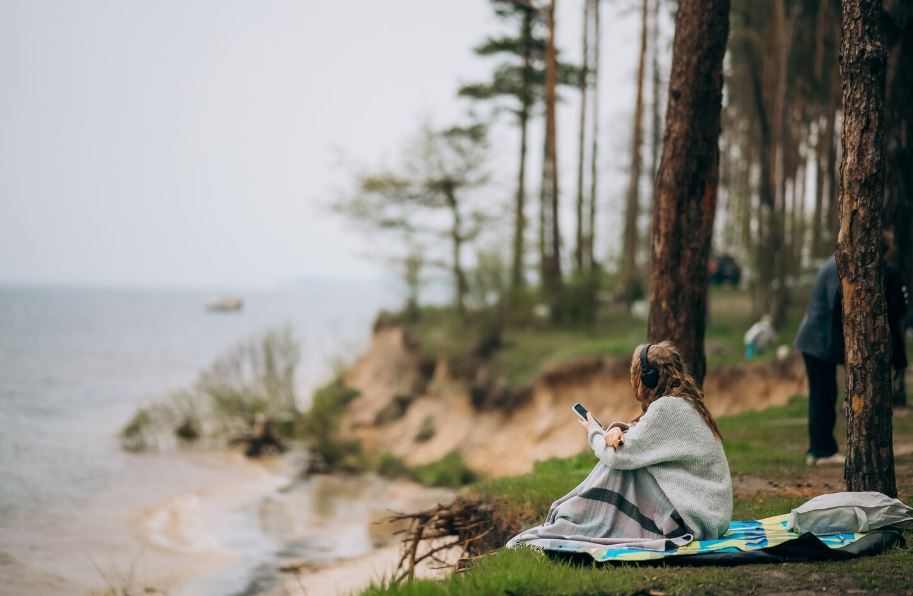
The bigger picture of tourism has also been helpful. Moab, the Grand Canyon, and some parts of Yosemite are too crowded in the American Southwest, which has made some travelers want to go north. The Pacific Northwest seems to stand for something that is a bit harder to label, which makes it harder to take over, at least for now. The land is very dense. Because the weather is so unpredictable, some tourists choose not to come. That means that only people who really want to be there should go on the trails, take the ferries, or visit the small coastal towns.
The international aspect adds another level. Tourists who came through Seattle and kept going love Galiano Island, which is just across the border in British Columbia’s Southern Gulf Islands. People who were expecting a wetter and grayer climate are pleasantly surprised by the island’s old-growth forests and unusual semi-Mediterranean climate, which is protected from Pacific moisture by the Vancouver Island Ranges. Because of places like Bodega Ridge, it’s now a place where both serious nature lovers and people who just want a cabin with no Wi-Fi for four days come. In some way, that mix keeps working.
It’s important to remember that changes in the weather are also changing the equation. As El Niño moves the Pacific jet stream south, the weather forecast for the Pacific Northwest this summer says it will be warmer and drier. That means that travelers will have longer periods of usable weather in places that used to need some rain tolerance. If that stays true in the long term, well, that’s not clear, and the environmental effects of a warmer Northwest are complicated. But for now, the summer has been kind to the region.
There’s still a sense of leisure about all of this. The Northwest hasn’t put up any billboards or started a big campaign to change its image. The rise doesn’t seem fake; it seems like it was earned, which is kind of the point.
