


Located in Sauk County on the Wisconsin River, Wisconsin Dells is home to about 2,700 residents. Temperatures frequently fall below 0 during the winter. The river becomes frozen. Snow has covered the sandstone bluffs that attracted tourists in the late 1800s. Nevertheless, hundreds of families are already inside the Wilderness Resort and Kalahari, as well as a dozen other facilities along Wisconsin Dells Parkway, sliding down water slides while wearing bikinis in 84 degree heat.
In 1989, Wisconsin Dells saw a change from a picturesque river hamlet to what today calls itself as the Waterpark Capital of the World. It started with what some describe as a napkin sketch, maybe with a little exaggeration but basically accurately. The Polynesian Hotel & Suites’ management covered a water feature with a roof. That was the concept.
Regardless of Wisconsin’s weather, keep the water warm all year long, and check to see if anyone visits in November. They did. The idea—clear in hindsight, truly innovative at the time—resolved the issue that has characterized Wisconsin Dells tourism from the start: the season was too brief. When an attraction only operates in the summer, cold climate destinations are inherently limited in the amount of money they can make annually. That restriction was lifted by moving the water park inside.
What ensued was a three-decade-long competitive escalation that shows no signs of abating. Other properties saw what was feasible when the Polynesian model was demonstrated. Wilderness Resort expanded to become the nation’s largest indoor/outdoor combo water park resort. America’s largest outdoor water park is Noah’s Ark, an outdoor park. The original Wisconsin Dells location of Kalahari, a mega-resort with a South African theme, just finished a $85 million expansion that added 75,000 square feet of new indoor water park space with a retractable roof. The expansion of each big property has caused the others to react. You cannot afford to be the smallest in a location founded on water parks, according to the self-reinforcing competitive logic.
It’s really hard to imagine the town’s enormity without being there. The Wisconsin Dells region is home to about thirty water parks. more than two hundred slides. 16 million gallons of water. The infrastructure needed to accommodate millions of yearly tourists from Chicago, Milwaukee, and Minneapolis reflects a whole reorganization of what a tiny Wisconsin town can look like for a community with less than 3,000 permanent residents. Because someone covered a pool in 1989, there are now hotels, restaurants, go-karts, mini golf, arcades, and outlet stores to occupy the spaces between the water parks.
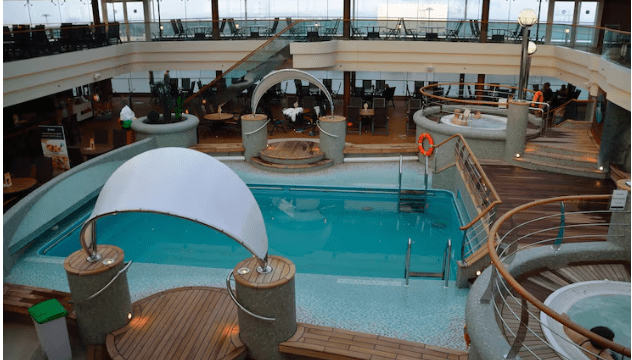
Beyond just stabilizing revenue, the year-round operation has commercial ramifications. This implies that Wisconsin Dells contends for vacation spending not only in July but also in January and March. The water park experience within those climate-controlled bubbles doesn’t require sunshine or warmth outdoors, making Wisconsin Dells a viable alternative alongside coastal destinations for a Chicago family considering spring break travel. Wisconsin Dells’ main competitive disadvantage—the chilly climate—has been successfully countered.
