


Due to its inland location, Columbia, South Carolina is roughly two hours from the Atlantic coast. Every summer, families drive toward Myrtle Beach without giving much thought to the distance between them and the water. The city has excellent foundations—a state capital with a large university, a decent food scene, and a downtown that has worked to make itself livable—but it has never had the kind of significant leisure anchor that directs tourists’ spending locally rather than toward the shore. That might be evolving.
There is a development north of I-20, close to Oak Hills, that is gaining enough pace to merit careful consideration as it moves through the phases that precede actual building. The South Carolina Department of Environmental Services has granted environmental permits. The technological partner is Crystal Lagoons, a Miami-based company that has constructed artificial swim lagoons in Chile, the Middle East, and other Sun Belt locales in the United States. The funding is provided by Greenville equity firm Broadstreet Inc. The way the parts are put together sets this apart from the group of projects that are announced but never start construction.
The project’s main wager is on Crystal Lagoons’ technology. Using a closed-circuit water management technique that only offsets what evaporates and pulse-disinfection, which is said to require substantially fewer chemical additives than traditional pool treatment, the company has developed a system for creating and maintaining large-scale artificial bodies of water—we’re talking about acres of clear, swimmable lagoon rather than a typical resort pool. In other completed projects, the outcome is a body of water that resembles a Caribbean beach inlet situated in a suburban area, accessible by kayak and paddleboard, and clean enough to swim in without the maintenance issues that would typically render a lagoon of that size unfeasible.
What transforms a water feature into a destination is the resort area surrounding the lagoon. A luxury hotel, waterfront restaurants, retail, a children’s area, tennis courts, and a wedding peninsula are all part of the plans; the last is more important from a business standpoint than it may seem. Resort assets generate steady, high-margin wedding venue revenue from visitors who spend money on lodging, food, and other services. A “wedding peninsula” is a stand-alone source of income that is incorporated into the site design from the beginning rather than being an afterthought in a resort development plan.
The market for water resorts in the Southeast has been expanding long enough for a project like this to have a very solid demand foundation. Families will travel for several hours to reach a high-quality indoor water attraction, as illustrated by Kalahari in Round Rock, Texas. The Crystal Lagoons model focuses on a slightly different experience—outdoor swimming in natural light instead of indoor slides—but the basic idea is the same: place a truly excellent water experience somewhere more accessible than the coast, set a fair price, and attract the portion of leisure demand that would otherwise make the longer trip.
The timeframe from authorized to operating is yet unknown. Permitting approval is a significant milestone, but even well-managed projects have delays due to logistical sequencing, contractor availability, and the conclusion of finance for projects this complicated. The lagoon might open in two or three years. The timeline might go beyond that as well. The Department of Environmental Services of South Carolina has contributed. The remainder of the procedure moves at its own speed.
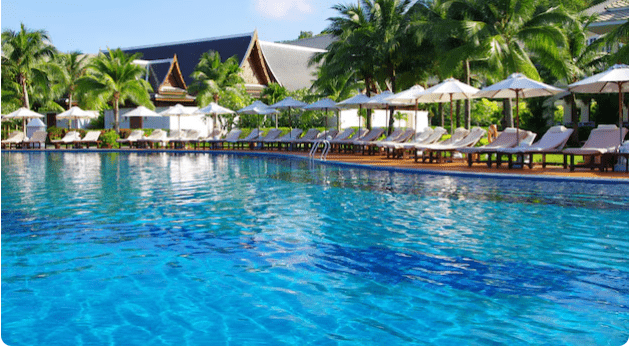
Observing inland South Carolina market itself as a water attraction is actually fascinating. The attraction has always been the coast. That attraction wouldn’t be replaced by a prosperous lagoon resort north of Columbia, but it would demonstrate that leisure spending doesn’t have to travel only one way inside the state. That would be novel and significant for the economy of the Columbia region.
