


Every aged roller coaster eventually reaches a point where the spreadsheet becomes unfriendly. With every season, the maintenance log grows longer. Custom fabrication is now necessary for parts that were previously obtained from a catalog. Every year, the inspection reports identify the same stress points, and the remedial recommendations get more costly. The attraction, which used to draw large crowds, is now a fixed expense that the park mostly justifies due to inertia and an unwillingness to cope with its disappearance. The call must eventually be made by someone in a conference room.
Following the 2021 incident in which a metal bracket broke off mid-ride and hit a customer in line, Cedar Point had to make that decision with Top Thrill Dragster. The ride was shut down and eventually retired from its original configuration. It was a hydraulic-launched coaster that carried trains over a 420-foot tower at 120 miles per hour. After then, the park rebuilt it over the next two years.
The original tower construction, the existing footers, a large portion of the station infrastructure, and a completely redesigned launch and train system were all used when Top Thrill 2 opened in 2024. The outcome was promoted as a brand-new vehicle. The economics presented a different story: Cedar Point avoided the most costly aspects of starting from scratch, such as the steel installation for a new tower, the civil engineering, and the foundation work, by reusing the existing structure. The restoration is estimated to cost between $10 and $20 million. At that magnitude, a true new-build might have cost two to five times as much.
Rocky Mountain Construction, a small Idaho-based enterprise that has created a whole business model on the retrofitting logic, has expanded it most vigorously. The I-Box steel track conversion, which replaces the original wooden track with a new steel rail profile while maintaining the structure of an existing wooden coaster, was invented by RMC.
With a fraction of the cost of a ground-up development, the technology enables parks to describe the outcome as a new ride—smoother, more intense, frequently with additional aspects. Instead of being a liability, the wooden substructure, which would otherwise require years of continuous timber replacement, becomes a part of the new ride’s skeleton. Before undergoing a hybrid conversion in 2021, Dollywood’s Lightning Rod was beset by technical issues for years. Today, it is one of the park’s most popular attractions. The repair was less expensive than the ride’s initial construction.
When you add up the actual execution expenses, the retirement-and-demolition estimate appears appealing on paper. Clearing a parking lot is not the same as demolishing a large wooden coaster building. In order for the lumber to fall safely, it must be carefully disassembled rather than being knocked over. After decades of chemical treatments and operational detritus, soil cleanup is frequently necessary. Depending on the size and location, the entire cost of dismantling a large wooden coaster and getting the site ready for new construction might range from half a million to several million dollars. There is no revenue generated by any of those expenses. Before the new attraction budget even starts, it is a complete outflow.
The case study that the industry most frequently cites when talking about the demolition path is Son of Beast at Kings Island. Before the park demolished it in 2012, the coaster—which debuted in 2000 and was formerly the tallest and fastest wooden coaster in the world—suffered from recurrent structural issues, numerous rider injuries, and years of closure. The footprint was utilized for the $24 million inverted coaster Banshee, which debuted in 2014. The order made sense: the space cleared was actually valuable, the replacement ride became one of the park’s main attractions right away, and the previous ride was beyond repair. However, it took three years and tens of millions of dollars to close Son of Beast and establish Banshee. Parks don’t always have a runway to take that in.
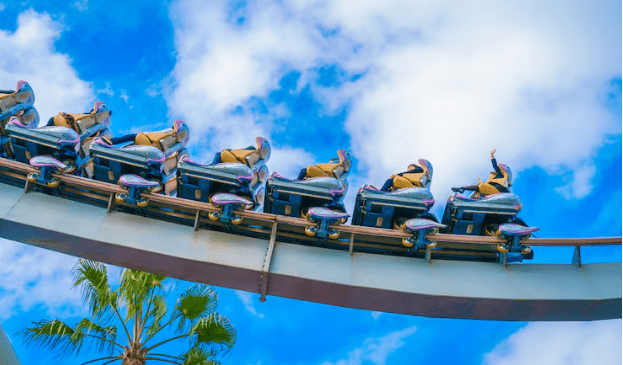
Although it is more difficult to measure than the construction expenditures, the nostalgia factor shouldn’t be disregarded. The reaction from local media and enthusiast communities when a park announces the retirement of a ride that has been running for thirty or forty years is usually excessively loud compared to the ride’s current attendance. Last-ride ceremonies, farewell gatherings, and social media retrospectives are held for rides that were barely filled their lines during their final seasons. That’s partially sentimental, but it’s also a gage of something tangible: the part certain rides play in a park’s identity and in the recollections of the adults who grew up riding them. A park is undermining something that doesn’t appear on a maintenance spreadsheet when it retires three classic rides in a five-year period without substituting them with equally important attractions.
