


A pop-up carnival that appears overnight in a suburban parking lot or showground is almost magical. The smell of fried dough, the sound of a Ferris wheel starting up, and kids pressed up against temporary fencing staring at rides that weren’t there yesterday are all things that make it feel like magic. This kind of traveling entertainment has been popular in South Australia for a long time, going back generations. But behind the bright lights, people have been talking less loudly about whether the rules for these attractions have kept up with the business.
There hasn’t been just one terrible event that made people want to regulate pop-up carnival attractions in South Australia. It doesn’t happen that quickly. As time goes on, both safety officials and community advocates feel that temporary amusement businesses operate in a regulatory space that is less clear than it should be. Permanent theme parks have to follow strict rules for inspections, get engineering certifications, and have clear liability frameworks. Traveling carnival operators, who are usually small family businesses that move from town to town across regional SA, have to follow rules that are different every day and depend on the type of event, the council that is in charge, and how the ride is classified.
The debate is more complicated by the fact that the state government wants to promote tourism in a wider sense. South Australia has spent most of the last ten years actively pursuing major events and expanding its attractions calendar. These include the AFL’s Gather Round festival, which was recently extended until 2029, as well as a growing number of regional food, wine, and cultural events. Pop-up carnivals are a part of that fabric. They are often part of agricultural shows, community festivals, and football games. There is a good chance that loosening rules without thinking could make things so expensive that smaller businesses can’t stay in the market at all. No one would get a clean win there.
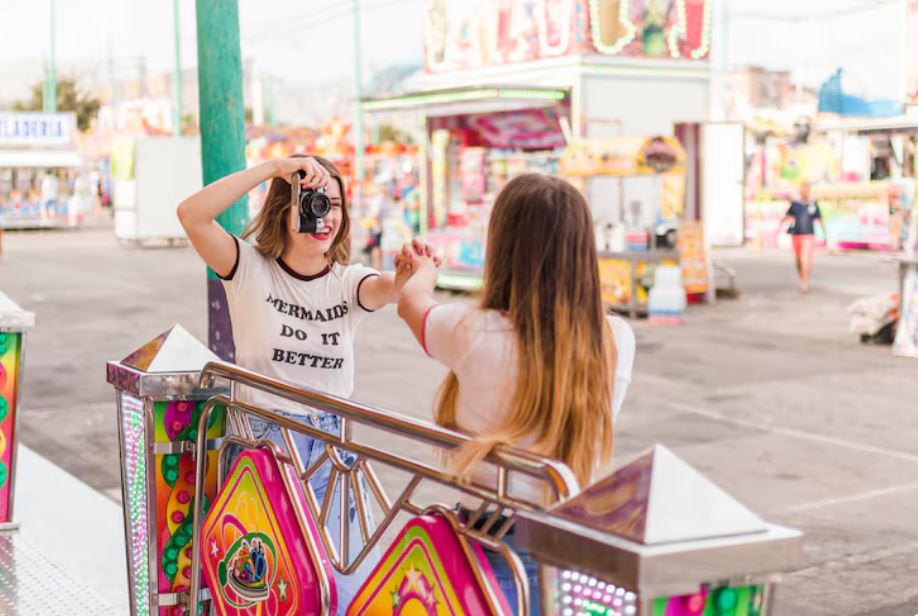
You should know what these operators are supposed to do. A traveling carnival in a rural area of South Australia might have six to twelve rides over the course of a weekend, hire a few part-time workers from the area, and be done by Sunday night. There are thin edges. Moving heavy machinery over long distances and setting up camp in places you’ve never been before, often in the middle of summer, is a very difficult logistics task.
A lot of operators are responsible and do their jobs well. But in the past, self-reporting and random inspections were used a lot instead of anything that could be called systematic oversight to make sure that people were being serious.
The changes that are being talked about for regulations would probably include standardized requirements for ride registration, required engineering sign-offs before an event, and clearer accountability chains for carnival operators who want to get permits from local councils. There is still no clear answer on whether the new framework would be run at the state level or by each council separately, which is part of the problem. Local oversight that isn’t uniform means that a ride that fails an inspection in one district might show up somewhere else the next month under a different event name.
Consumer advocates have pointed to Queensland and Victoria as examples of states that have changed their rules on carnivals and traveling amusements in response to high-profile ride accidents in the past few years. As South Australia watches those interstate events, it seems to be trying to find a middle ground—one that recognizes the cultural value of these events without pretending that the current system is as strong as it could be.
No one in line at a pop-up carnival on a warm Saturday afternoon can see any of this. It looks like the ride works. The operator seems sure of himself. Already, the kids want to go again. That’s exactly when good rules are most important: not after something goes wrong, but in the weeks before the carnival, when they’re not seen.
South Australia is known for being a great place to visit because it knows how to make guests feel welcome. Getting the rules for pop-up attractions right would only make that stronger.
