


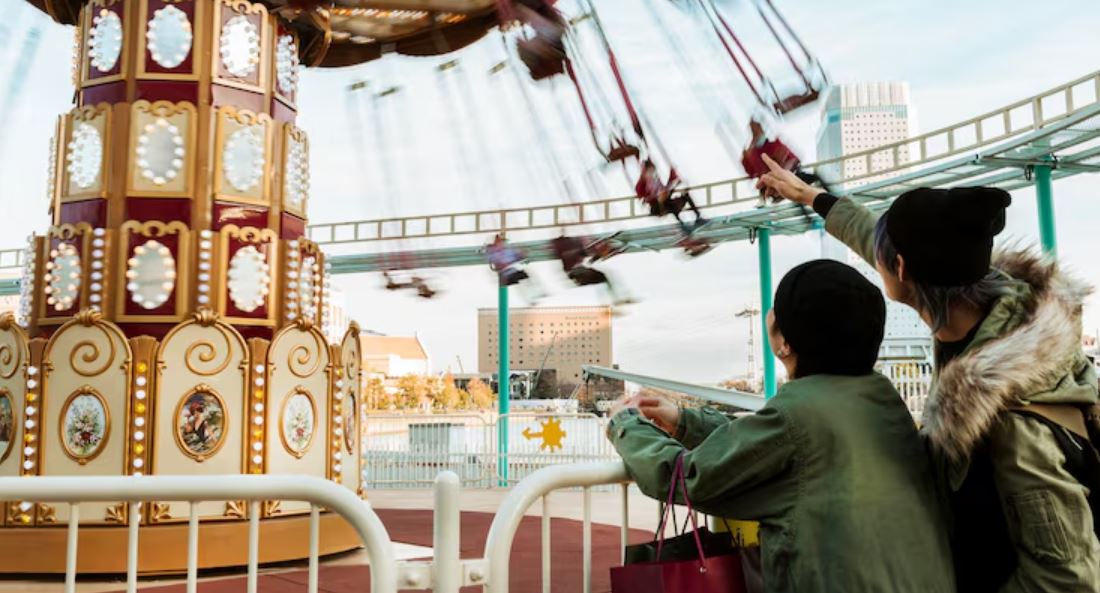
A carnival was the first event. A pleasant April afternoon in 2017 at Rye on the Mornington Peninsula in Victoria. Eugene Mahauariki, a six-year-old boy, boarded a Wittingslow Amusements Cha Cha ride. He was ejected after slipping beneath the safety bar. He never returned home. Victoria is finally changing the way it regulates amusement rides in 2026 because of that one incident, which was completely avoidable, according to the coroner who looked into it years later.
On July 29, 2026, the Occupational Health and Safety Amendment (Amusement Structure) Regulations 2026 became operative. They mandate that all amusement rides in the state adhere to the most recent safety, maintenance, and registration requirements. WorkSafe Victoria now has the power to close rides whose operators give false information or let equipment deteriorate to dangerous levels. Operating manuals and maintenance logbooks must always be kept on hand and accessible for inspection by operators. It sounds simple. Compared to how loosely the industry was previously regulated, this is actually a big change.
The weight of what came before it is what distinguishes this moment from regular regulatory housekeeping. When Victorian Coroner Sarah Gebert presented her conclusions regarding Eugene’s demise in 2023, she was brutal. That Cha Cha ride’s restraints weren’t up to Australian standards. The death could have been avoided. She suggested broad modifications to the laws governing amusement rides. The decision to drop the initial health and safety charges against Wittingslow Amusements in 2020, to put it mildly, did not sit well with those closest to Eugene.
The new regulations, according to WorkSafe CEO Cathy Henderson, give the organization more power to guarantee that rides are appropriately built, maintained, and run. Technically, that is correct. It also implies that WorkSafe did not have some of those tools in the past, which is an important point to consider given that children’s carnival rides have been in operation throughout Victoria for many years. One could argue that there has long been a clear discrepancy between what basic safety logic requires and what the current regulations require. This redesign significantly reduces that disparity.
The timeline has been strict and the changes are genuine for operators. Under the new framework, registration requirements are mandatory. In the run-up to the July deadline, WorkSafe has been consulting with industry stakeholders, and it appears that the majority of legitimate operators have been preparing in good faith.
The more difficult question is whether the regulations will be applied uniformly to all venues, from big permanent fairgrounds to smaller traveling carnivals that set up for a weekend in small towns before moving on. It has historically been more difficult to monitor that type of operation, and it’s still unclear if WorkSafe’s current resources are adequate to close that gap.
Tammy White, Eugene’s mother, has discussed the significance of these changes in public. Her words are thoughtful and giving in a way that seems truly earned. Every child who rides safely and every family that returns home whole is a part of her son’s legacy, she has stated, and she wants his story to be a force for good. The weight of that framing is difficult to ignore. Nobody writes a story about a mother enduring years of grief in order to make a bureaucratic system safer for the children of strangers. It simply occurs gradually in conference rooms, coronial hearings, and press releases until the regulations are eventually altered.
The amusement ride licensing reform in Victoria is not a panacea. It’s a long-overdue, tragedy-shaped correction that’s finally in the books. Enforcement, funding, and whether the political attention that brought it here lasts long enough to be significant will determine whether it holds.
