


The majority of people are unaware of a regulatory gap in American amusement park safety until something goes wrong. The U.S. Consumer Product Safety Commission has the authority to look into ride problems at traveling county fairs. The CPSC is unable to intervene when the same kind of occurrence occurs on a coaster that is permanently installed in a large theme park. The distinction between mobile and fixed rides was incorporated into federal law in 1981, and it hasn’t changed much in over 40 years.
In its most basic form, the current drive for the National Amusement Ride Safety Act is an effort to bridge that divide. Representative André Carson’s H.R. 1855, which has been proposed in different forms over the years, would grant the CPSC four new powers: the ability to investigate fixed-ride accidents; the mandate to create a national database tracking injuries and defects; the ability to mandate corrective action plans for identified issues; and the authority to establish federal training standards for park employees. These suggestions are hardly radical. They explain the type of supervision that pertains to cars, appliances, and toys. On the surface, it appears difficult to refute the case for applying them to rides that transport millions of passengers annually.
However, the legislation continues to stall. The International Association of Amusement Parks and Attractions has continuously opposed federal intervention, claiming that major parks have excellent safety records and that state and local laws already effectively manage ride safety. There is some merit to the argument. Given the number of riders, serious injuries are comparatively uncommon in large, well-established parks. The sector makes significant investments in maintenance plans, internal inspection schedules, and safety procedures. According to IAAPA, a federal layer would increase compliance costs without significantly enhancing results.
The Consumer Federation of America and U.S. PIRG are two examples of consumer advocacy organizations that view the same situation but come to opposite conclusions. They contend that individual parks’ carelessness is not the issue. It’s because the existing system results in opacity and inconsistency. When a ride flaw is found at a park in one state, it doesn’t always lead to the same equipment being examined at parks in other states. At the national level, injury data is gathered inconsistently, reported selectively, and never aggregated. The same mechanical failure may recur at many sites without anyone seeing the pattern if there is no centralized database.
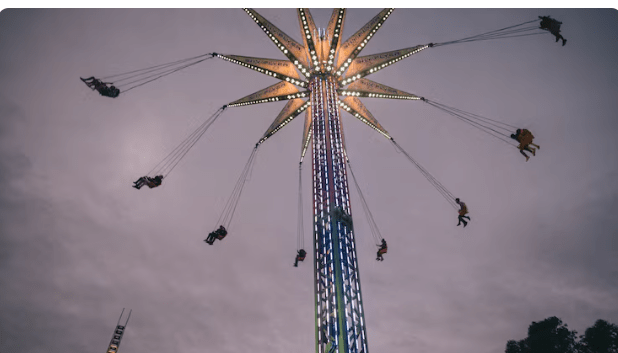
Perhaps the most specific justification for federal action is that data gap. The CPSC has databases for other consumer goods; when a certain kind of crib results in newborn injuries, the pattern is immediately apparent, allowing for manufacturer alerts and recalls. For amusement rides, there is no such mechanism. There is currently no federal system in place to systematically determine whether an incident at a park in Florida and a similar occurrence at a park in Ohio share a manufacturer, a component, or a maintenance failure mode.
