


It probably didn’t feel like a crucial legal moment when a mother braced herself during a head-on bumper car collision at Great America in Santa Clara and broke her wrist. It was like a terrible day at a theme park. However, the subsequent case, Nalwa v. Cedar Fair, subtly changed California courts’ perceptions of who is at fault when someone is injured while riding. Additionally, the consequences of that courtroom continue to spread.
Amusement parks relied on the idea of assumption of risk for many years. The concept was straightforward: if something went wrong, it was partially your fault because you purchased the ticket and were aware of what you were getting into.
Eventually, California courts strongly disagreed with that reasoning. The assumption of risk doctrine, which is frequently used in contact sports, does not apply to rides at amusement parks, according to the California Court of Appeal. The court reasoned that the parks have total authority over how those attractions are designed and run. They guarantee fun that is safe. There is legal weight to that pledge.
California’s stance is unique and truly significant because of how far it goes. According to a separate ruling by the California Supreme Court, amusement parks must take the greatest precautions to ensure the safety of their patrons because they operate as common carriers, a legal category that also includes buses and airplanes. Compared to what most states demand, that is a much higher standard. It’s the kind of standard that keeps plaintiffs’ lawyers extremely busy and risk managers up at night.
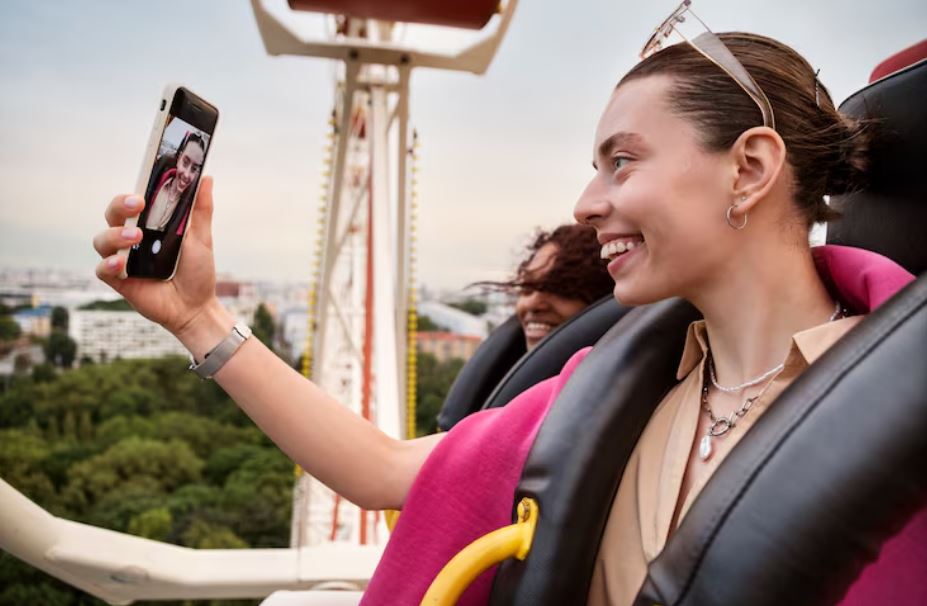
Observing this from the outside gives the impression that California did not intend to become the national authority on theme park safety. Through a number of court decisions and a regulatory framework that already requires more stringent safety inspections than the majority of other states, it happened gradually. As a result, parks have very little leeway to claim negligence.
There are real-world repercussions. California courts are not interested in justifications when a park is aware of a recurrent hazard and does nothing about it, as Cedar Fair apparently did with head-on bumper car collisions at other locations. The choice provides a clear financial incentive to address issues rather than postpone them. That might be precisely what the courts had in mind.
The pressure California’s standards are putting on large operators that manage parks across several states is currently garnering more national attention than any one significant ruling. It is impossible for a business that oversees properties in Texas, Florida, and California to have completely distinct safety cultures for each location. When liability exposure is sufficiently high, standards typically move upward. In that regard, California is carrying out some of the tasks that federal regulation has never been able to accomplish.
It’s still unclear if other states will formally adopt comparable frameworks. The premises liability traditions of Texas and Florida’s courts differ, and state legislatures are generally slow to act on any issue that appears to have the potential to impede the operations of popular tourist destinations. Lawsuits, however, travel. Attorneys from other states are keeping a close eye on California case law, and arguments that are successful in Sacramento frequently appear in Orlando.
The law in their state may still provide less protection than California’s for families preparing a summer vacation to a theme park. However, it’s difficult to ignore the growing pressure for accountability. Legal ambiguity is becoming more costly to maintain for parks that previously relied on it as a cost-saving strategy.
