


On a Saturday morning in August, the parking lot of Pen y Pass fills up before seven o’clock. It’s likely the first time in their outdoor leisure experience that a mountain approach has needed the same level of advance planning as a restaurant table, and those who come at half past seven without making a reservation are turned away at the barrier. The Llanberis Pass road becomes congested. Wherever there are no verges, cars pull onto them. Volunteers from Mountain Rescue are currently eating breakfast and using their phones in anticipation of being called out later that afternoon for someone who turned an ankle on an unmarked descent.
After several years, the post-pandemic hiking boom has yet to resolve itself into something manageable without persistent institutional effort. Before 2020, one of the most popular upland landscapes in Britain was Snowdonia, or Eryri as the Welsh term officially used by the national park authorities. The epidemic caused visitor numbers to surpass the capacity of the park’s infrastructure, closing everything else while leaving outdoor areas technically accessible. Restrictions were relaxed, yet the rush persisted. It became a new baseline, and the 660,000 visitors who now climb important summits each year constitute a management issue that is hard to ignore due to deteriorated trails and volunteer mountain rescue teams.
The first and most noticeable difference that guests experience at Pen y Pass is the parking pre-booking requirement. The method, which mandates that cars make reservations at least 24 hours in advance, is a big change from how mountain parking lots have always functioned. In order to discourage the casual day-tripper who might otherwise drive up on a whim, find the parking lot full, and leave their car on the edge of a narrow mountain road, fees were purposefully increased. The reasoning makes sense, but putting it into practice calls for an outdoor planning discipline that wasn’t previously connected to walks in Wales. A portion of what the Pen y Pass system rejects is absorbed by overflow capacity at Nant Peris and Llanberis, which are serviced by shuttle links.
The statistic that provides the most complete picture of the changes brought about by the surge is the mountain rescue callout statistics. In the years after the pandemic, volunteer teams throughout Snowdonia have recorded record callout numbers. The pattern of incidents reveals something particular: many involve visitors who used YouTube videos and social media posts instead of topographic maps or local knowledge to prepare for their mountain day.
An Ordnance Survey map provides more information than someone who climbed a peak in favorable weather, took stunning photos, and posted the route summary. This difference becomes significant when clouds swiftly move in over the Glyderau or someone makes a mistake in the Carneddau in poor light. By connecting to offline-capable routing, the QR code signage cooperation with Ordnance Survey aims to close that gap without outlawing the phones that initially brought many of these people to the mountains.
The less obvious but possibly important component of the infrastructure response is the 5G drone experiments. When someone is hurt above the snowline, an emergency services team sent to the incorrect site wastes time and resources, making it challenging to promptly investigate remote occurrences in mountainous terrain. The response calculus is significantly altered by drones that may arrive to a reported incident location more quickly than a terrestrial team and send real-time imagery back to the rescue coordinator. Although the technology is still in the experimental stage, Snowdonia is investing in it since the direction is sufficiently clear.
Any popular natural destination must deal with the longer-term tension in their approach. Tourism is the main driver of Snowdonia’s economy. Llanberis, Betws-y-Coed, Beddgelert, and the settlements that support the park’s tourism economy depend on tourists, lodging occupancy, café turnover, and gear shop sales. The national park authority’s push for “high-value, longer-stay” tourism—more nights spent, more money per visitor, fewer people arriving at eight in the morning and departing by four—is a reasonable response to this tension, but it’s also a slow adjustment to a problem that is currently causing damage to walkways, packing parking lots, and keeping volunteer mountain rescue teams busy in ways that are truly unsustainable at the current scale.
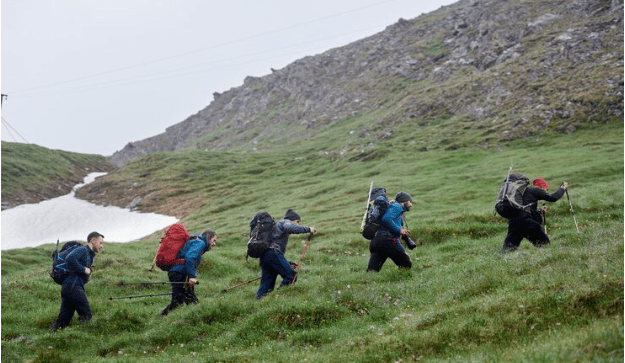
It will take a few more seasons of data to decide whether the pre-booking systems, higher fees, and computerized trail infrastructure can control visitor numbers without just moving pressure to other parts of the park. Crowds unable to park at Pen y Pass will find alternative access sites, trails, and valleys in Eryri’s vast and varied environment. Snowdon is not the only aspect of the management issue. The question is whether the entire national park can accommodate this degree of attention without losing the appeal that draws visitors in the first place.
