


For many years, Oakwood Theme Park was located in the rural area of Pembrokeshire, reachable via a meandering road that passed through farmland to the east of Haverfordwest. It was the kind of destination that generations of Welsh families drove to for a summer day out; it wasn’t Thorpe Park or Alton Towers, and it wasn’t something you would fly to see, but it was dependable, had enough rides to make the trip worthwhile, and had a parking lot full of families who had taken the same trip as their parents. It was permanently shuttered. The gates are secured. The location has a certain kind of silence that can only be found in recently closed recreational centers.
The shutdown is due to clear-cut economic considerations. Increased energy, maintenance, and staffing expenses coupled with a decline in visitor numbers prevented a park from maintaining the level of investment necessary to remain competitive. Oakwood’s catchment was restricted due to its geographic remoteness, making it difficult to attract impulsive day-trippers. There was no buffer to withstand the increasing financial strain. Neither a safety issue nor a disagreement over regulations caused the park to close. The numbers stopped functioning, therefore it closed.
That is not an Oakwood-specific tale. High fixed costs, reliance on the weather, a tourist base with more leisure options than twenty years ago, and growing expectations about what a day out should deliver make theme park economics challenging overall. For years, there has been strain on the UK’s smaller and mid-sized parks. The gap Oakwood’s closing leaves in the Welsh leisure environment is more noteworthy than the mechanism. There isn’t a significant traditional theme park in Wales anymore. Zip World’s quarry-based adventure portfolio in the north has been the biggest attraction investment in Wales in recent years. It is genuinely impressive and popular, but it caters to a different market than a family theme park with rollercoasters and a toddler section.
When Welsh tourism operators talk about this, the approved Universal Studios construction near Bedford is frequently brought up. That project exemplifies the kind of anchor leisure investment that transforms the economies of an entire region. It is a huge worldwide theme park brand that brings substantial capital and visitor numbers to England. It will attract foreign tourists who stay longer, domestic tourists who travel specifically, and it will give the local hospitality industry a steady source of demand. There isn’t a Welsh comparable in terms of planning, development, or discourse.
The problem is not with the current regulatory structure. Wales is subject to the same ADIPS inspection protocols and oversight by the Health and Safety Executive as the rest of Great Britain. Compared to their English or Scottish counterparts, Welsh parks do not confront a different or more burdensome regulatory framework. Investment, scale, and the geographic reality that Wales competes for leisure spending against locations with larger populations, better transport connections to major urban centers, and occasionally the support of international entertainment companies that can absorb the capital costs of major park development are the issues that lie ahead of regulation.
Pembrokeshire’s beaches, Snowdonia’s mountains, and the adventure tourism businesses that have grown up around them are real and expanding attractions. Visit Wales successfully markets the nation as an outdoor and coastal destination, and this positioning is well-founded. The gap is in the family theme park category, which is the mid-market leisure anchor that makes a three-day vacation into a four-day vacation and provides families with younger children with a compelling reason to pick Wales over a rival location that offers both a theme park and natural scenery in one visit.
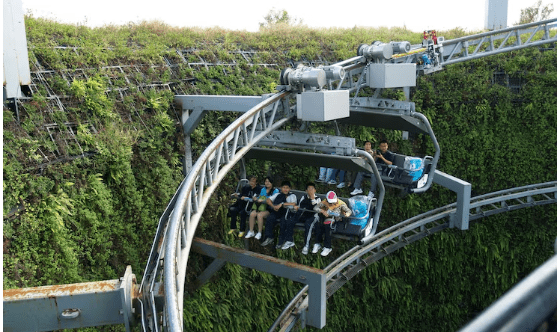
It’s actually unclear if any operator will take Oakwood’s place. The economic conditions that led to Oakwood’s closure have not changed. The Pembrokeshire location is far enough away that the same catchment restrictions will apply to whoever reopens it. It’s possible that Welsh leisure investment will look less like traditional theme parks and more like Zip World: adventure-focused, uniquely immersive, and capitalizing on the natural environment rather than directly competing with the massive ride infrastructure that costs more to maintain.
