


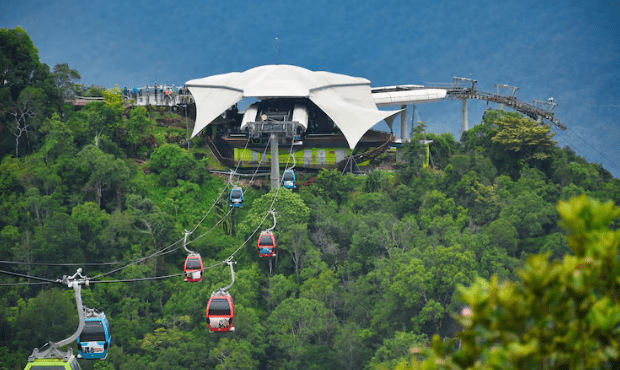
The gondola that transports skiers up Bob’s Peak in the winter is full on a February morning in Queenstown, with the Remarkables sitting sharp and snowless against a clear summer sky from the Southern Hemisphere. There is no ski gear on the passengers. There are mountain bikes on the rack of some. Others have cameras and are dressed in shorts. A few families with little children are making their way up for the luge, a gravity-powered circuit that transforms the mountain into a recreational area in the absence of snow for skiing. The gondola is performing the same function as it did in July. The mountain is working in a different way. Additionally, every carload demonstrates the economic case for year-round mountain recreation as opposed to the seasonal ski industry that has characterized the alpine South Island for decades.
With the increasing push to lengthen revenue seasons, South Island tourism operators operating in and around the key alpine centers have been closely observing the development of this model. The traditional ski window, which is roughly June to September in southern latitudes, weather-dependent, and increasingly susceptible to the kind of erratic snowfall that has been plaguing alpine regions worldwide, concentrates revenue into a small band that makes employment patterns genuinely problematic and financial planning challenging.
A ski resort operates at full capacity for twelve to sixteen weeks before significantly reducing its operations. The knowledgeable mountain hospitality workers, lift operators, ski instructors, and maintenance personnel who keep the operation running don’t go away; many choose to cycle to ski resorts in the Northern Hemisphere, find other seasonal employment, or just quit.
Every autumn, it costs money to recruit and retrain them in order to get them back. That issue is immediately addressed in the case for year-round mountain operations. Permanent job contracts, as opposed to seasonal roles, can be offered by a mountain facility that offers gondola sightseeing in December and January, mountain bike paths from November to April, hiking access during the warmer months, and year-round family-oriented activities.
By keeping seasoned employees for entire years instead of losing them to the seasonal cycle and fighting for their return, this fundamentally alters the staffing balance. This employment stability generates multiplier impacts in the local housing, retail, and services economies for regional communities in Queenstown, Wanaka, and the Canterbury alpine zone that are not produced by single-season operations.
The economics are more appealing than they might be for a purpose-built resort because existing ski areas frequently include most of the infrastructure needed for multi-season operation. Mountain bikers can be lifted up in the summer using the same lifts that transport skiers up in the winter. Visitors are served on a varied timetable by gondolas designed for the snow season. Assets that are underutilized outside of the ski season include parking lots, lodging, cafes, and the transportation connections that bring tourists to alpine regions. Investing in summer-specific infrastructure, such as bike paths, summer activity centers, and season-appropriate lodging, is necessary to convert them to multi-season use, but it builds upon an already-existing foundation rather than starting from scratch.
Skyline Queenstown has shown what that model looks like when it’s fully developed. No ski-only business in the area can consistently create income patterns like the Queenstown gondola and luge complex, which operates year-round and draws both local and foreign tourists across all four seasons. Compared to the winter ski market, summer visitors who come for the luge, mountain biking, restaurant views, and gondola experience are a different and, in some ways, more approachable group. Riding a gondola doesn’t require skiing lessons. In January, a family can still have a full mountain experience even if their kids don’t ski yet.
The more ambitious operators are thinking about whether the South Island alpine sector creates something that could be referred to as a mountain theme park in the commercial sense—ticketed attractions, carefully chosen experiences, the purposeful design of leisure environments rather than just access to terrain. The distinction is important because, in contrast to a ski area that opens its gondola in the summer, it suggests a different level of programming, investment, and tourist management. One or more major South Island mountain resorts may consciously adopt that paradigm during the course of the next ten years. The infrastructure, the economic reasoning, and the demand signals are all heading in the same direction.
